
A passenger terminal as a front line: how the Houthi–Saudi war reached Riyadh's airport
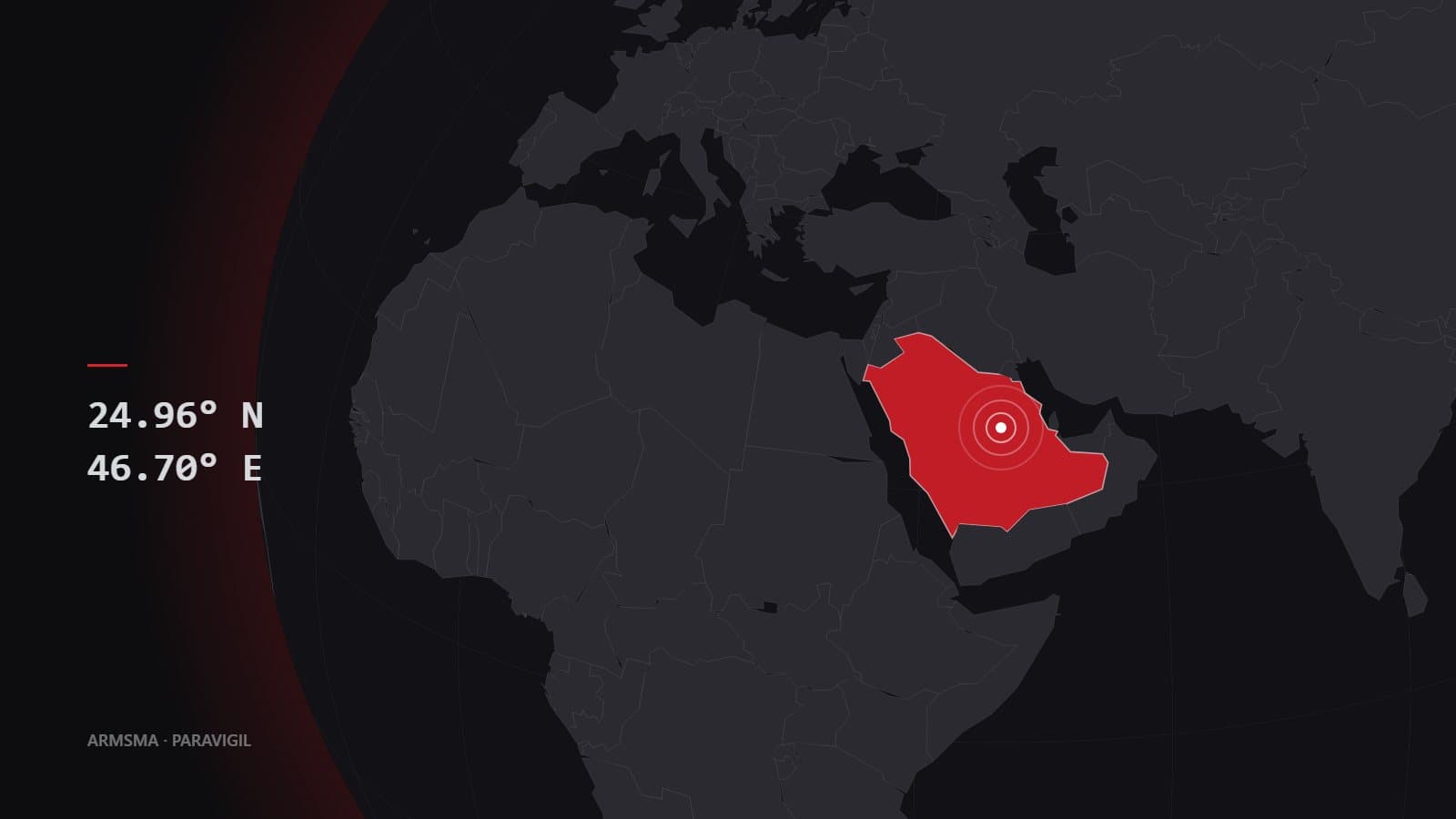
Among the dead was Azza Ramzy, a flight attendant for the Saudi airline Flynas. Another was Buthaina Ahmad Oweida, a widowed mother of four from Syria. They were two of 12 people killed when a missile struck the passenger terminal of King Khalid International Airport in Riyadh on Saturday, 10 October 2026, according to a Saudi statement reported by the Associated Press.
About 300 more were wounded, some critically. AP called it the deadliest attack in a Gulf Arab nation since the Iran war began. The next day, India's embassy said one of its citizens had died of injuries, raising the toll to 13, NPR reported.
The airport has no military facilities, AP noted. That it became a target shows how far a war many had considered frozen has moved — from Yemen's mountains to the departure halls of a Gulf capital.
How did a three-year truce collapse?
Saudi Arabia and the Houthis have fought since 2015, when the kingdom entered Yemen's civil war on the government's side, NPR reported. A 2022 ceasefire brought relative calm until July 2026, when the Houthis resumed attacks. They said Saudi forces had fired on Sanaa airport as a plane from Iran was trying to land.
The Houthis then declared a blockade of Saudi Arabia, according to AP — a move that followed anger over the Saudi-led blockade that has largely isolated Houthi-run areas. In September they seized key areas along the Bab el-Mandeb Strait. The East-West pipeline was attacked and closed for days that month, NPR said.
A major military offensive against the Houthis began about a week before NPR's 11 October report. AP described the Saudi-led coalition as giving air support to Yemeni government forces trying to reverse the Houthi gains near the strait.
The airports came next.
Why airports — and how many times?
The Houthis said their strikes were retaliation for Saudi attacks on Sanaa International Airport and Hodeidah airport, Al Jazeera reported. They warned airlines to avoid Saudi airspace, except over Mecca and Medina, and said any aircraft there was a target.
The record compiled by Aviation Week from Saudi civil aviation authority (GACA) figures shows the pace:
- 6–7 October: attacks on Abha International Airport and King Khalid airport killed three people and injured 36.
- 8 October: two attacks on the Riyadh airport killed three Saudi citizens, among them a Saudia pilot, and damaged a parked Saudia aircraft. Saudia named him as Captain Hamoud Ali Alkalthami, according to Al Jazeera.
- 10 October: the terminal strike — 13 dead and more than 300 injured, in Aviation Week's count. GACA suspended flights.
- 11 October: a missile hit Terminal 4, causing a fire. Saudi authorities said one person, described as a Pakistani national, was killed and 11 were injured, NPR reported. King Fahd International Airport in Dammam was also attacked late that day.
- 12 October: GACA extended the suspension at Riyadh without saying when operations would resume.
The Riyadh airport was struck four times in five days, according to NPR. Some airlines suspended flights to Saudi airports, and some embassies warned their citizens against using them.
Who is counting the dead in Yemen?
The Houthi-run health ministry says coalition strikes killed 91 Yemenis in five weeks, 60% of them women and children, AP reported. It also said a child was killed and six people were wounded in a suspected Saudi airstrike on a house in Sanaa on 11 October. The Saudis had not commented on these figures, and they have not been independently verified.
The numbers from both sides of the border are counted by the parties themselves. That matters for anyone weighing the civilian toll of this war.
What we do not know
- Who claimed the 10 October strike. AP reported that no group had claimed the Riyadh strikes, adding that the Houthis have at times stayed silent after attacks that drew wide condemnation; the Houthis did acknowledge targeting Saudi airports, oil and military installations. NPR and Aviation Week reported that the Houthis claimed the Riyadh attacks.
- The full toll. Reports differ on how the deaths are counted across the week's strikes. We give each figure with its source.
- Whether the airport is operating. Al Jazeera reported on 9 October that operations had resumed after the 8 October attack; the later suspension was extended on 12 October. We have not seen a confirmed reopening date as of 18 October.
- Yemeni casualties. The Houthi health ministry's figures are unverified.
What to watch
President Trump said he was weighing joining the fight against the Houthis, AP reported; a US intervention could prompt them to halt shipping through Bab el-Mandeb. Saudi Arabia is reportedly running low on missile interceptors and has asked France, Britain, Pakistan and Egypt for air-defence support. And late on 11 October, Iran's foreign minister, Abbas Araghchi, warned his Saudi counterpart against a purely military approach and offered to help start a Saudi–Houthi dialogue, NPR reported. For travellers, the practical signal is GACA's decision on when Riyadh reopens — and whether airlines return.
Sources
- AP, via ABC News — Iran-backed Houthis claim latest attacks on airport in Saudi capital, including one that killed 12 (11 October 2026)
- NPR, via St. Louis Public Radio — Saudi airport passenger terminal is struck again a day after 12 were killed (11 October 2026)
- Aviation Week — Saudi Airports Hit Again By Houthi Missiles (12 October 2026)
- Al Jazeera — Houthi attack on Riyadh airport killed three Saudi nationals (9 October 2026)
Related articles
Comments (0)
Sign in to join the discussion.
- No comments yet — be the first.