
A ceasefire that did not stop the strikes: how Lebanon's 2026 war reached 3,980 dead
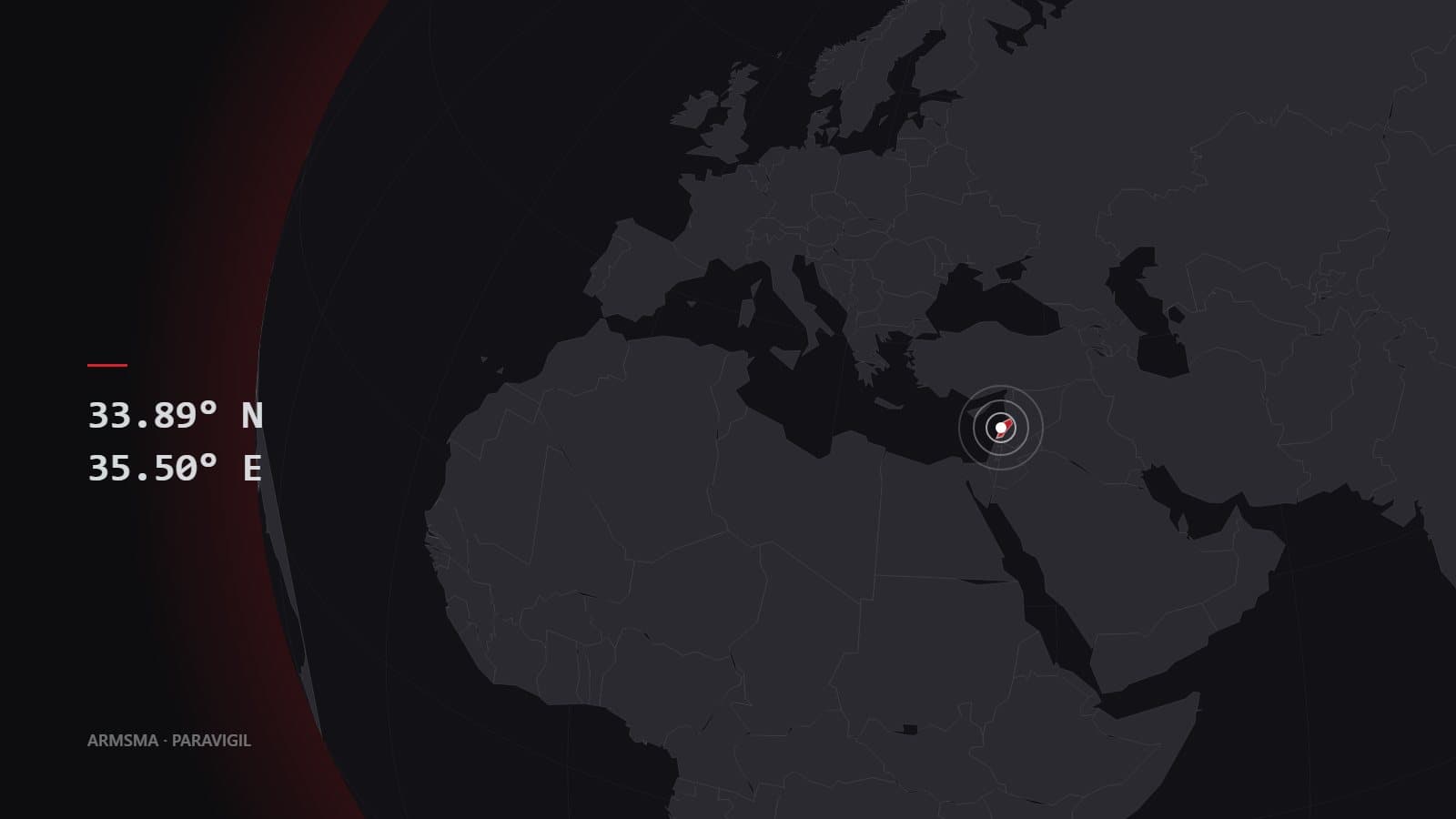
On 2 March 2026 Hezbollah announced that it had launched "a barrage of missiles and a swarm of drones" at Israel. It said the attack was retaliation for the killing of Iran's supreme leader, Ali Khamenei, according to Arab News. The Israeli military said the fire caused no injuries. Within hours it was striking Hezbollah targets across Lebanon, with explosions reported in the southern suburbs of Beirut.
That barrage reopened a war that, by the count of Lebanon's health ministry, had killed 3,980 people by 19 June.
Lebanon was drawn in because of a war it had not started. Fighting began two days after the US and Israel attacked Iran, the Associated Press reported. A ceasefire was declared in April and then extended, yet the ministry's toll kept rising week after week. The war shows how a regional conflict can spread to a neighbouring state, and how hard it is to end once it has.
Who started the shooting, and who objected?
Hezbollah claimed the 2 March attack and said it was also defending Lebanon against repeated Israeli attacks, Arab News reported. Before its strikes, the Israeli military told residents to move at least 1,000 metres away from more than 50 villages in the south. It said it "will not enable the organization to constitute a threat to the State of Israel."
The sharpest criticism inside Lebanon came from its own government. Prime Minister Nawaf Salam called the rocket fire "irresponsible and suspicious", whoever was behind it, and said it handed Israel pretexts for more attacks.
How fast did the toll climb?
By 7 April Lebanon's health ministry had recorded 1,530 people killed since the war began: 1,298 men, 102 women and 130 children. A further 4,812 people had been wounded, and 57 health workers were among the dead, according to AFP figures republished by the Institut kurde de Paris.
The heaviest single day came next. On 8 April, the day a US–Iran truce was announced, Israel carried out a wave of air strikes across Lebanon. Al Jazeera reported that the strikes killed more than 300 people. On the same day the health ministry's preliminary toll, cited by AFP, stood at more than 100 dead and hundreds wounded. The two figures were given at different times and may not cover the same hours.
By 18 May the ministry counted 3,020 dead, including 292 women and 211 children, the AP reported. By 19 June, according to the ministry figures carried by the Qatar News Agency in The Peninsula, the toll had reached 3,980 killed and 12,001 injured since 2 March. In just one day of strikes that week, at least 47 people were killed.
The war also reached far beyond the dead. More than one million people in Lebanon had been displaced by mid-May, and some were living in tents along roads and by the sea in Beirut, according to the AP.
Was Lebanon covered by the April truce?
The parties could not agree. Iran and Pakistan said Lebanon was part of the US–Iran deal; the US and Israel said it was not, Al Jazeera reported.
A separate ceasefire between Lebanon and Israel began on 17 April, after talks in Washington, according to the AP. It was later extended, including by 45 days in May, and military delegations were due to hold direct talks on 29 May. Hezbollah was not part of those talks and opposed them. Strikes continued throughout. Israeli troops remained in large areas of southern Lebanon, and Israel said it was targeting Hezbollah's efforts to rearm.
Who else has died?
By 7 April the Israeli military had announced that 11 of its soldiers had been killed in combat in southern Lebanon. AFP also reported that two civilians in northern Israel had been killed after Hezbollah rocket launches. The UN force in Lebanon, UNIFIL, said three of its peacekeepers had been killed (AFP).
By mid-May the AP counted 20 Israeli soldiers killed since the fighting began, as well as two Israeli civilians inside Israel and a defence contractor working in southern Lebanon. Six UN peacekeepers had been killed by then.
What we do not know
- Hezbollah's losses. The group has not announced how many of its fighters have been killed (AFP). The ministry figures cited here do not say how many of the dead were fighters and how many were civilians.
- The toll today. The latest ministry figure we were able to verify is from 19 June. Strikes were continuing at that time, so the real number is very likely higher.
- The 8 April death toll. Reports for that day range from more than 100 (the ministry's early count) to more than 300 (Al Jazeera).
- Whether the truce applies. The parties disagree about whether the April US–Iran ceasefire covered Lebanon at all.
What to watch
Three things will show whether this war is ending or only changing shape: whether the direct military talks between Lebanon and Israel produce a withdrawal timetable, whether Israeli troops leave the south, and whether the health ministry's daily count stops climbing. More than a million displaced people are waiting on all three.
Sources
- Arab News: Israeli military launches strikes against Lebanon after Hezbollah rocket attack (2 March 2026)
- AFP via Institut kurde de Paris: War in the Middle East: casualty figures from across the region (8 April 2026)
- Al Jazeera: Khamenei says Tehran 'astonished the world' during US-Israeli war on Iran (9 April 2026)
- AP via Anchorage Daily News: Death toll in Lebanon reaches 3,000 amid fighting between Israel and Hezbollah (18 May 2026)
- The Peninsula / QNA: Dozens killed in Israeli strikes across Lebanon, health ministry says (19 June 2026)
Related articles
Comments (0)
Sign in to join the discussion.
- No comments yet — be the first.