
Before dawn in Abiemnom: at least 169 dead in South Sudan — and who attacked is still disputed
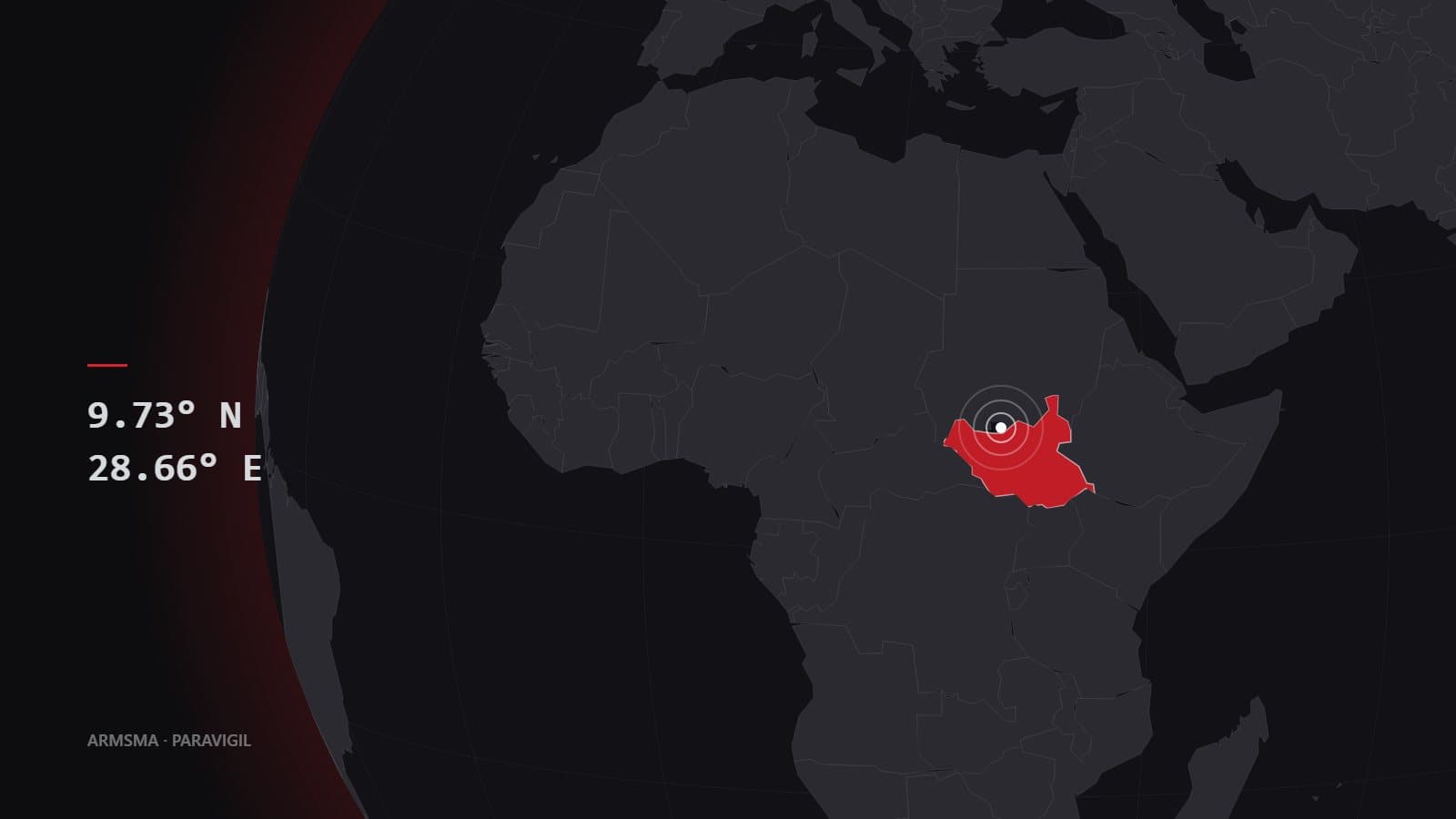
The attack began at about 04:30 local time on Sunday, 1 March 2026, while most of Abiemnom was still asleep. For three to four hours, dozens of armed youth fought outnumbered regional forces, set fire to homes and markets and killed people across the county, according to Ruweng's information minister, James Monyluak Mijok, as reported by the BBC.
By Monday the toll stood at 169: 90 "children, women and elderly people" and 79 members of regional forces, including police. Because of the number of dead and the continuing insecurity, victims were buried in a mass grave that same Sunday, according to local reports and the AFP news agency cited by the BBC.
Abiemnom lies in the Ruweng Administrative Area in South Sudan's north, next to the disputed Abyei area. The killing came as the UN warns that the country, independent since 2011, could slide back into "all-out civil war".
How many died, and who were they?
The government's own figure rose within days. On 5 March Radio Tamazuj reported, citing local officials, that 178 people had died after several of the wounded succumbed at a Médecins Sans Frontières hospital in Abyei. Bodies were still being recovered and an unknown number of civilians were missing.
Senior local officials were among the dead. The government named the county commissioner of Awarpiny and the executive director of Abiemnom County, according to Sudans Post.
Counts of the wounded differ. Local officials told the BBC that 50 people were wounded, most of them taken to Abyei; the government statement reported by Sudans Post said at least 68; the UN mission said its peacekeepers were treating at least 23. On 5 March the information minister said: "We still have 73 patients being treated in hospital."
Who is accused, and what do they say?
Ruweng's chief administrator, Stephano Wieu De Mialek, said the attack was carried out by elements linked to the White Army militia and forces affiliated with Riek Machar's SPLM-IO, calling it "an act of rebellion" and "a coordinated and organized assault", the Associated Press reported.
The information minister said the attackers came from neighbouring Unity State, and that Unity officials "must have had knowledge" of the plan. Unity authorities had not responded, the BBC said.
Machar's movement denied responsibility, saying it "has no military presence in the area concerned", and accused Unity State authorities of politicising the violence. No group has claimed the attack. The BBC noted that it was unclear what triggered it.
What did the state and the UN do?
Government spokesperson Ateny Wek Ateny said the government was "deeply disturbed by the barbaric attack" and announced a full-scale investigation, ordering security organs to establish what happened and who was responsible, Sudans Post reported. He urged residents to stay calm and avoid retaliation.
About 1,000 civilians sought protection near the base of the UN Mission in South Sudan (UNMISS). Its officer in charge, Anita Kiki Gbeho, said: "Such violence places civilians at grave risk and must stop immediately," and urged all sides to "cease hostilities without delay".
Hundreds of civilians, mostly women and children, also fled into the Abyei area, about eight kilometres away, Radio Tamazuj reported. A UN peacekeepers' hospital there had performed emergency surgery on eight of nine injured civilians it was treating. The EU and Western embassies called it a "brutal attack".
Why is this happening now?
The 2018 peace agreement that ended a five-year civil war made Machar first vice-president. He was removed in September after facing criminal charges and is under house arrest in Juba while his trial continues; his supporters say the charges are politically motivated, AP reported. A UN inquiry found that leaders are "systematically dismantling" the agreement.
Since December, fighting between government and opposition forces in Jonglei has displaced an estimated 280,000 people, according to the UN. Abiemnom itself was hit last year by a similar attack that killed more than 42 civilians, the BBC said.
What we do not know
- Who carried out the attack. The accusation against White Army and SPLA-IO-linked fighters comes from local officials; the SPLA-IO denies it, and no independent finding has been published in the sources we read.
- The final toll. Figures rose from 169 to 178 within four days, and people were still missing. Counts of the wounded range from 23 to 73 depending on the source and the date.
- The motive. The BBC reported that the trigger was unclear.
- Whether anyone has been arrested. As of 5 March the attackers had not been apprehended, according to Radio Tamazuj; we found no later report.
What to watch
The results of the government's promised investigation, and whether it names perpetrators. A civil society leader quoted by Radio Tamazuj put the stakes plainly: "Justice delayed is justice denied."
Sources
- AP, via CFJC Today: 169 people killed after insurgents raid a village in a remote area of South Sudan (2 March 2026)
- BBC, via The Star (Kenya): At least 169 killed in South Sudan surprise attack (2 March 2026)
- Sudans Post: Abiemnom massacre: South Sudan to launch investigation after 169 killed (2 March 2026)
- Radio Tamazuj: Death toll from Abiemnhom attack rises to 178 (5 March 2026)
Related articles
Comments (0)
Sign in to join the discussion.
- No comments yet — be the first.