
Signed on a screen, suspended within a month: what is left of the US–Iran Islamabad Memorandum?
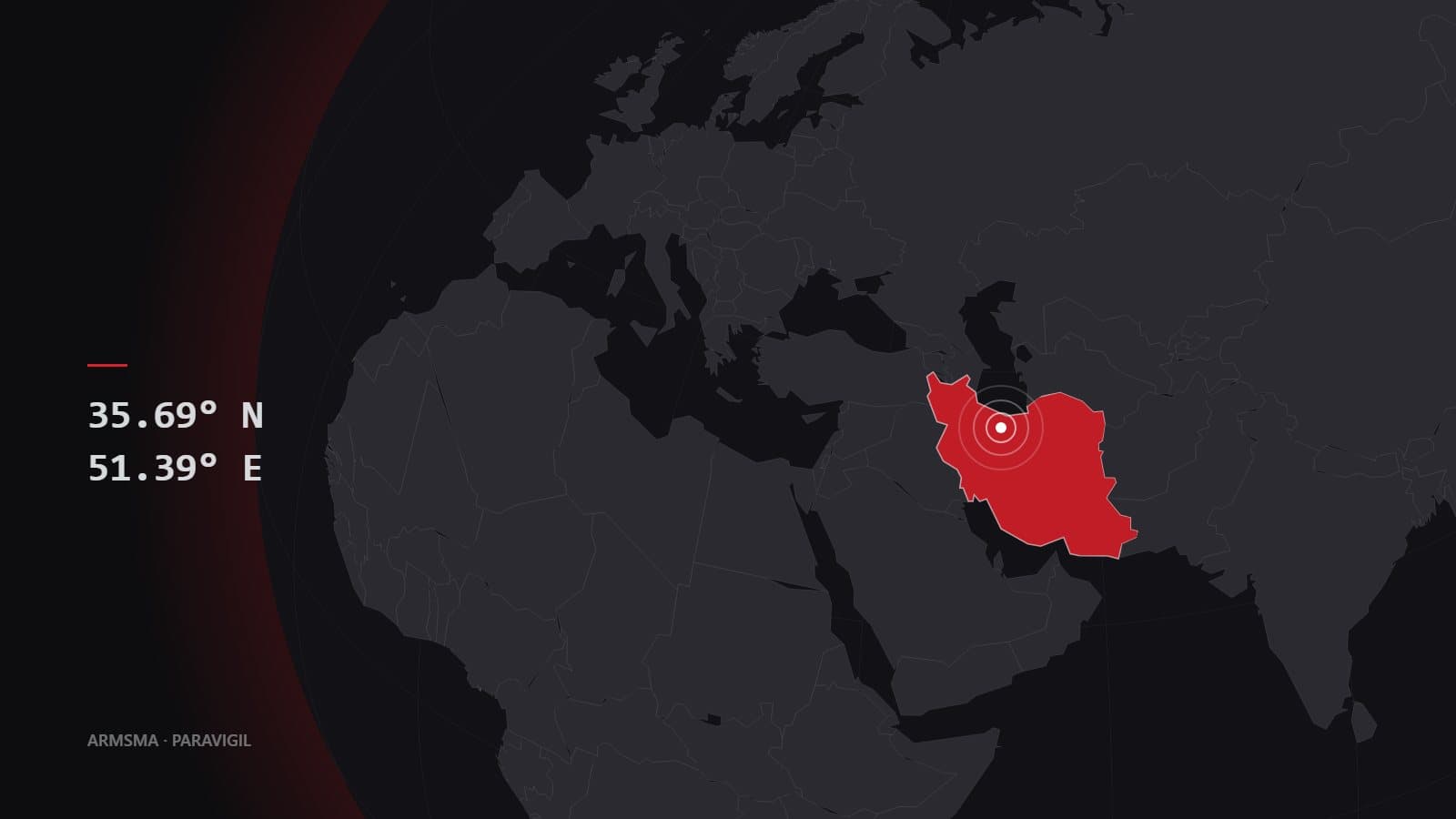
The two presidents never sat at the same table. Donald Trump signed during G7-related events in France; Masoud Pezeshkian signed in Tehran, Gulf News reported. On 18 June 2026 Pakistan's prime minister, Shehbaz Sharif, announced on X that "the historic 'Islamabad Memorandum of Understanding' has been electronically signed today", according to Aaj News.
Sharif said the memorandum would "enter into force with immediate effect": Iran would "instantly reopen the Strait of Hormuz, and the US would immediately lift the naval blockade."
A month later, Iran said it had suspended its commitments. Two weeks after that, its president called the same document the future "center of gravity" of Iran's foreign relations. That gap — between a deal declared broken and a deal still defended — is why the memorandum matters now: it remains the only signed framework between Washington and Tehran in a war that began with US and Israeli strikes on Iran in February.
What did the memorandum promise?
It is an interim agreement of 14 points, according to Gulf News, which said it set a 60-day window to negotiate permanent peace terms. The points Gulf News named include a temporary extension of the ceasefire, steps on regional conflicts including Lebanon, and the reopening of the Strait of Hormuz, "among other points". The full text has not been published in the sources we reviewed.
A separate Gulf News report described the deal as calling for an end to military operations and reciprocal commitments from both sides, and as envisioning the lifting of restrictions on maritime traffic as tensions eased.
Sharif said Pakistan's mediation had been pivotal and that a formal signing ceremony would follow on 19 June in Switzerland, Aaj News reported. He thanked the US negotiating team — J.D. Vance, Steve Witkoff and Jared Kushner — and Iran's team of Mohammad Bagher Ghalibaf, Abbas Araghchi and Eskandar Momeni, and credited Qatar, Saudi Arabia, Türkiye and Egypt.
On paper, the first steps were simple. In practice, they depended on each side reading "commitment" the same way.
How did it come apart?
By mid-July the US had resumed strikes on Iranian targets and reinstated a naval blockade of Iranian ports "following renewed fighting around the Strait of Hormuz", Gulf News reported in an article last updated on 15 July. Iran's foreign ministry spokesman, Esmaeil Baghaei, said the arrangement was based on "commitment for commitment" and had entered a "crisis phase". "As long as America does not act on its promises, no expectations should be held from Iran either," he said.
Trump, according to the same report, argued that Iran had breached the agreement first and said the memorandum "meant nothing" after Tehran's actions.
On 18 July Iran's deputy foreign minister for legal affairs, Kazem Gharibabadi, went further. "We have suspended our commitments under the Islamabad Memorandum," he said, as quoted by Fars and reported by Aaj News. Citing Al Jazeera, Aaj said this was the first time Tehran formally announced it would no longer implement any part of the memorandum.
The cost was already being counted. Iran's health ministry said US attacks since 6 July had killed at least 50 people and injured more than 500, according to Aaj News. The US Central Command said its strikes targeted surveillance centres, military logistics, underground weapons depots and naval capabilities. Iran said it had launched missiles and drones at Muwaffaq Salti Air Base in Jordan, which hosts US forces; no casualty details were released.
Why are the sides still talking about it?
On 1 August Trump wrote that the US had agreed to "cancel the attack, subject to being able to rapidly make a DEAL", NPR reported. According to news reports cited by NPR, the US and Israel had been preparing to target Iran's energy infrastructure that weekend. Trump said a deal's "perimeters" had been agreed and that it would include the "Immediate, Complete, and Total OPENING OF THE HORMUZ STRAIT."
Iran's semi-official Mehr agency, citing unnamed military officials, called the claim "simply a new lie", NPR reported.
Yet on 3 August, President Pezeshkian wrote: "I believe that this memorandum of understanding will be the center of gravity of our foreign relations in the future." He added: "We must strive to force the enemy to remain committed to what it has signed," Gulf News reported. In Tehran's framing, the memorandum is suspended, not dead — a text to be enforced rather than replaced.
What we do not know
- The full text. The 14 points have not been published in full in the sources we opened.
- The timeline for a final deal. Gulf News reported a 60-day window. Iran's ambassador to Pakistan, Reza Amiri Moghadam, said both sides had agreed to continue negotiations for six months, according to Aaj News.
- When exactly it broke down. Iran's health ministry counts US attacks from 6 July; Gulf News reported Tehran halting obligations around 14–15 July; the formal suspension came on 18 July. Other accounts give different dates.
- Who broke it first. Each side says the other did. The ambassador accused the US of taking control of parts of the Strait of Hormuz and interpreting the memorandum "contrary to its agreed terms"; Trump says Iran breached it first. We cannot verify either claim.
What to watch
The Strait of Hormuz is the test both sides named first, and it remains the measure of any deal: whether ships move, and whether the US blockade of Iranian ports is lifted. Watch, too, for whether the "perimeters" Trump described in August turn into a revived or rewritten memorandum — and whether Pakistan, the mediator that announced the original, is again the one to announce the next.
Sources
- Aaj News — US, Iran electronically sign Islamabad MoU; Pakistan endorses as mediator: PM (18 June 2026)
- Gulf News — Iran's Pezeshkian: US peace memorandum remains cornerstone of foreign policy, urges enforcement (3 August 2026)
- Gulf News — Tehran declares it will halt obligations under MoU as US resumes strikes, naval blockade (updated 15 July 2026)
- Aaj News — Iran suspends Islamabad MoU after US strikes (18 July 2026)
- NPR, via WFAE — Trump says he's cancelling Iran strikes, deal pending (2 August 2026)
Related articles
Comments (0)
Sign in to join the discussion.
- No comments yet — be the first.