
A truce an hour before the deadline: did the US–Iran ceasefire cover Lebanon or not?
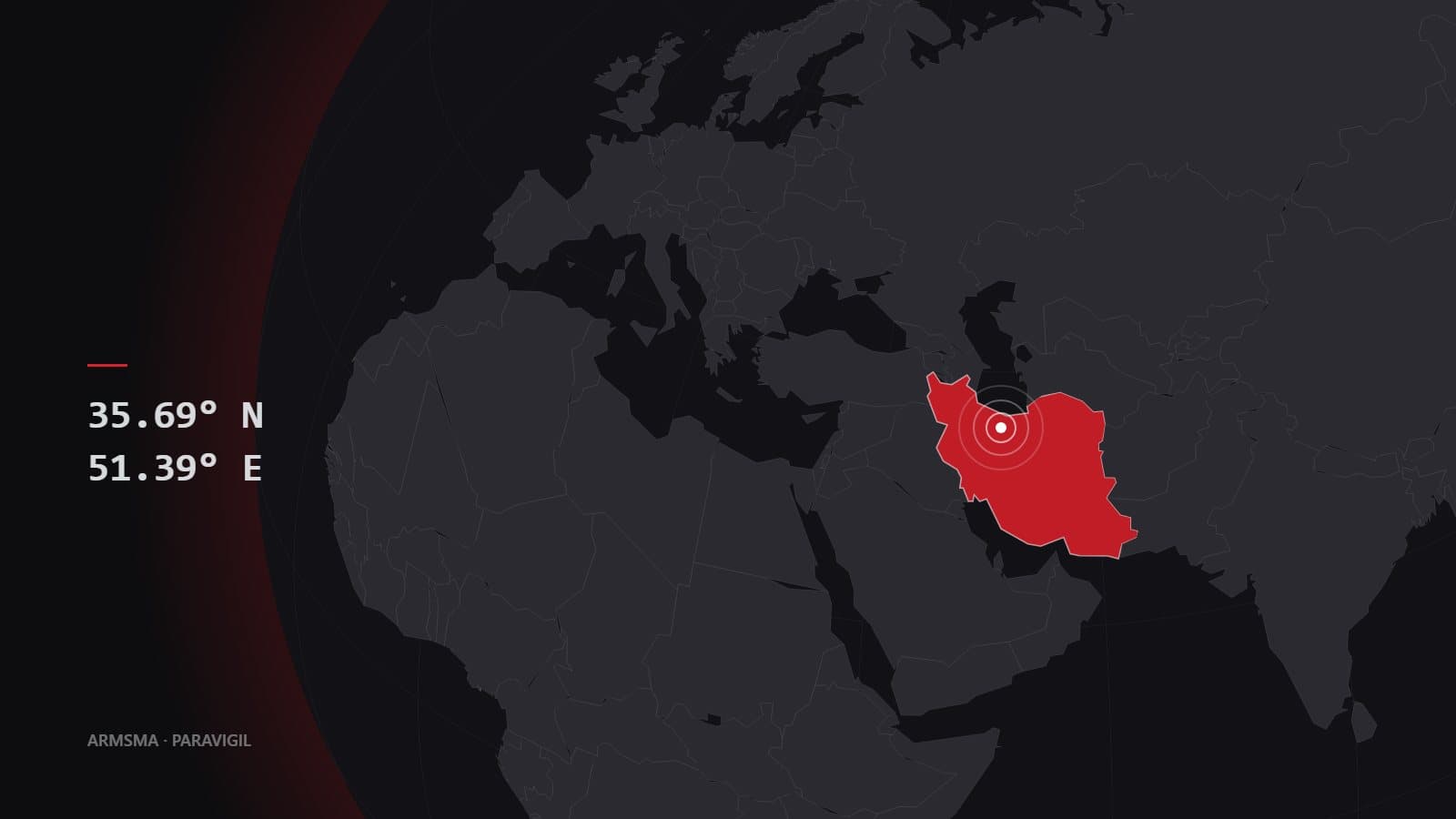
US President Donald Trump had warned that "a whole civilisation will die tonight" unless a deal was reached. About an hour before his deadline for action against Iran expired, Tehran and Washington agreed a two-week ceasefire, Gulf News reported.
Pakistan's prime minister, Shehbaz Sharif, who mediated the deal, announced it on X: the United States, Iran and their allies had agreed to an immediate ceasefire "everywhere including Lebanon and elsewhere, EFFECTIVE IMMEDIATELY."
It was the first pause in a war that began with US and Israeli strikes on Iran on 28 February. But from its first hours, the two sides did not agree on what they had signed up to, and the gap was measured in lives in Lebanon.
What did each side agree to?
Under the truce, Iran agreed to let ships pass through the Strait of Hormuz, Al Jazeera reported. The strait, which carries about a fifth of the world's oil, had been effectively blocked to shipping since the war began, according to Gulf News. Reports that Tehran might charge ships a transit toll to fund reconstruction were unconfirmed, Al Jazeera said.
Trump said Iran's plan looked like a "workable basis on which to negotiate". That 10-point plan, as described by Tehran and reported by Gulf News, asked a great deal: US acceptance of Iranian uranium enrichment, the lifting of all sanctions, a US military withdrawal from the Middle East, an end to attacks on Iran and its allies, the release of frozen Iranian assets and continued Iranian control over the strait. Iran's Supreme National Security Council said a UN Security Council resolution making the deal binding would be a major diplomatic victory.
The deal was meant to open talks in Pakistan. Sharif said Islamabad would host both delegations on Friday to seek a "conclusive agreement"; Al Jazeera, a day later, said they were expected in Pakistan on Saturday.
Why does Lebanon matter so much?
Iran and Pakistan said Lebanon was covered by the ceasefire. The United States and Israel said it was not, according to Al Jazeera, and world leaders called for Lebanon to be included.
On Wednesday, 8 April, the day the truce was announced, Israeli strikes across Lebanon were heavy. The death toll for that one day differs by source:
- More than 300 killed, according to Al Jazeera.
- More than 100 killed and hundreds wounded, according to the Lebanese health ministry's preliminary figure that day, cited by AFP.
By AFP's count, the ministry had already recorded 1,530 people killed in Lebanon by 7 April, since Hezbollah joined the war in early March.
Did the shooting stop?
Not everywhere. AFP noted on 8 April that some authorities were still reporting deaths after the ceasefire took effect. Its regional tally at that point counted at least 3,636 dead in Iran, according to the rights group HRANA, and 41 dead in the Gulf states, figures AFP could not independently verify.
In Tehran, the new supreme leader, Mojtaba Khamenei, claimed a "final victory" in a statement read on state television, Al Jazeera reported. He warned that Iran was ready to respond if attacks resumed — "Our hands are on the trigger" — and said Iran would enter a "new phase" on the Strait of Hormuz, without elaborating.
What we do not know
- Which version of the deal is authoritative. The sources we reviewed quote the parties' statements, not a published text.
- How many people were killed in Lebanon on 8 April: the two figures are far apart.
- The exact start date. AFP gives 7 April, while Gulf News and Al Jazeera report the announcement on Wednesday, 8 April; the difference likely reflects time zones.
What came next?
The two-week truce was only a bridge. In June the presidents of both countries signed an interim 14-point memorandum, mediated by Pakistan, which aimed to formalise the ceasefire and open a 60-day window for permanent terms, Gulf News reported. Whether that later deal answered the questions left open in April — Hormuz, enrichment and Lebanon — is the story of the months that followed.
Sources
- Gulf News: Pakistan PM says US-Iran ceasefire covers "everywhere", including Lebanon (8 April 2026)
- Al Jazeera: Khamenei says Tehran "astonished the world" during US-Israeli war on Iran (9 April 2026)
- AFP via Institut kurde de Paris: War in the Middle East — casualty figures from across the region (8 April 2026)
- Gulf News: Iran's Pezeshkian — US peace memorandum remains cornerstone of foreign policy (3 August 2026)
Related articles
Comments (0)
Sign in to join the discussion.
- No comments yet — be the first.