
Uganda voted in the dark — how many died around Museveni's seventh win, and who is counting?
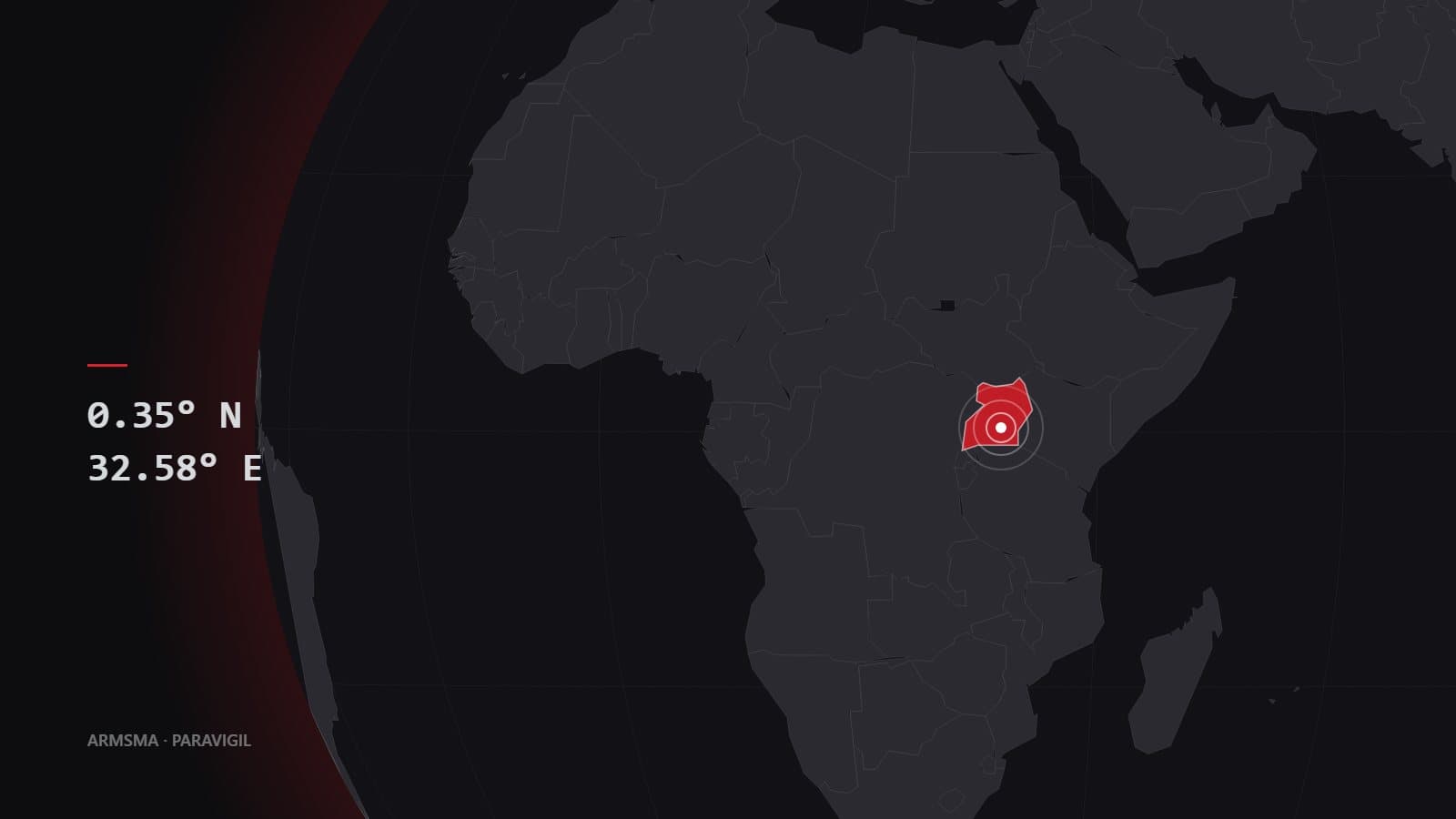
At about 3 a.m., people waiting in a garage in Butambala, some 55 km south-west of Kampala, were hoping to celebrate an election win. Muwanga Kivumbi, the opposition MP whose house it was, told Reuters that attackers “broke the front door and began shooting inside the garage”. “They killed 10 people inside my house,” he said, Al Jazeera reported.
The police told a different story. A police spokesperson, Lydia Tumushabe, said machete-wielding opposition “goons” organised by Kivumbi had attacked a police station and a vote-tallying centre, and that “police fired in self-defence”. At least seven people were killed and three injured in the clashes, police told Reuters.
Why does this election matter?
Yoweri Museveni, 81, has ruled Uganda since 1986. On Saturday, 17 January, the Electoral Commission declared him the winner of a seventh term with 71.65% of the vote, NPR reported. His main challenger, Bobi Wine (Robert Kyagulanyi), 43, of the National Unity Platform, received 24.7%. Most of Uganda's roughly 50 million people are under 40 and have only ever known one president.
The vote was held with the internet switched off. That made it harder to know what happened — including for the observers sent to watch.
What did the shutdown cut off?
On 13 January the government ordered network operators and internet providers to suspend public internet access and some mobile services, citing security, AllAfrica reported. The head of the East African Community observer mission, Edda Makabagwiza, said the directive directly affected the compilation and analysis of observers' field reports.
General access returned from 18 January. The Uganda Communications Commission's executive director, Nyombi Thembo, called the suspension “necessary and proportionate”, but social media and messaging apps stayed blocked, the Daily Monitor reported. On 26 January the head of the armed forces, Gen. Muhoozi Kainerugaba, wrote on X: “We are releasing all social media today.”
Where was the opposition leader?
After the vote, Wine said soldiers had surrounded his home to keep him under house arrest. His party later said he had been “forcibly taken” by an army helicopter; the army called the reports “baseless and unfounded”, AFP reported.
Wine then said police had stormed his home late on 16 January and that he had escaped. “I know that these criminals are looking for me everywhere,” he wrote, adding that his wife and other relatives remained under house arrest. Speaking to the BBC from an undisclosed location, he rejected the results as “fake”, alleging ballot stuffing without giving detailed evidence, and ruled out a court challenge, saying “the judiciary in Uganda is captured”, Pulse Uganda reported. He urged supporters to protest peacefully instead.
Who said the vote was fair — and who did not?
- The UN human rights office had said the election was held in an environment of “widespread repression and intimidation”, according to Al Jazeera.
- Rights groups condemned the internet shutdown, the violence, restrictions on opposition campaigning and the barring of several international observers, NPR reported.
- African Union observers reported no evidence of ballot stuffing but criticised the prolonged shutdown, according to Pulse Uganda.
- The Uganda Human Rights Commission said there were technical and procedural problems that did not undermine the overall fairness of the vote.
- Museveni accused the opposition of trying to overturn the election through violence and called some of its supporters “terrorists”.
What we do not know
- The death toll. Police said seven were killed in the Butambala clash. Kivumbi said 10 were killed in his house alone. Wine said dozens of supporters were killed, including at least 10 who were monitoring the count. None of these figures has been independently verified, and we found no comprehensive count.
- What happened in Butambala. The police and the opposition give opposite accounts of who attacked whom.
- The exact vote count. NPR gives 7,944,772 votes for Museveni; Pulse Uganda gives 7,946,772. Both give 71.65%.
What to watch
With Wine refusing to go to court, the only formal challenge reported in our sources was a Supreme Court petition by sixth-placed candidate Robert Kasibante. The more lasting question is the one the blackout raises: in a country where the internet can be switched off for a vote, who will be able to document the next one?
Sources
- NPR via KJZZ: Uganda's longtime leader declared winner in disputed vote (17 January 2026)
- Reuters via Internazionale: At least seven killed in Ugandan post-election violence, police say (16 January 2026)
- Al Jazeera: At least seven killed overnight in Uganda after tense presidential election (16 January 2026)
- AFP via The Standard: Where is Bobi Wine? (17 January 2026)
- Daily Monitor: Govt restores internet but warns public against misuse (20 January 2026)
- AllAfrica: Social media to be fully restored today, says Gen Muhoozi (26 January 2026)
- Pulse Uganda: Bobi Wine rules out court petition against Museveni victory (21 January 2026)
Related articles
Comments (0)
Sign in to join the discussion.
- No comments yet — be the first.