
A kindergarten, a hospital, then the rescuers: why does the Kalogi death toll range from 10 to 79?
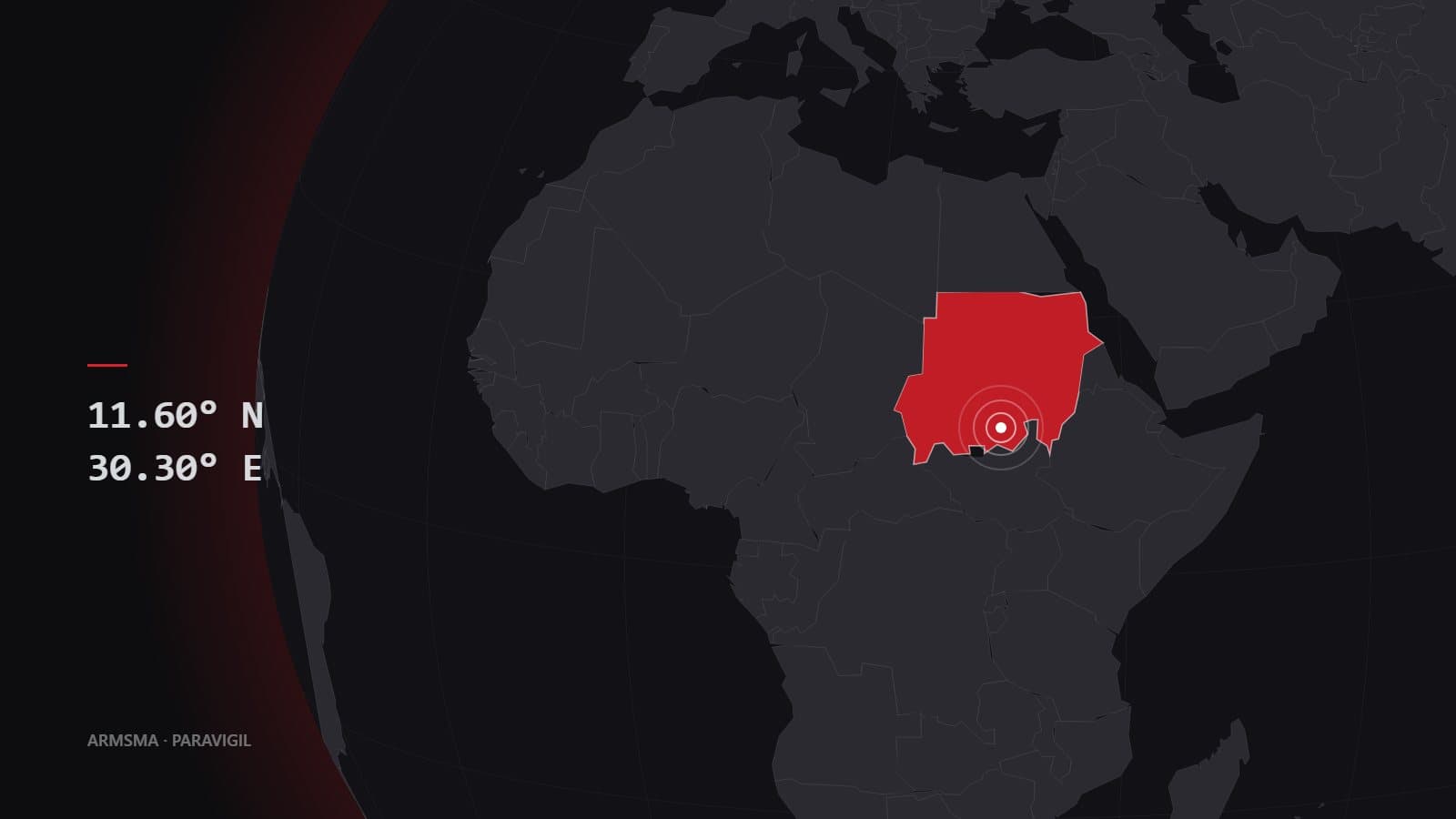
The first drone hit the kindergarten. Witnesses told Radio Dabanga that more than 50 children were inside. The second struck a crowd of more than 150 people, among them relatives searching for missing children. The third hit the entrance of the local hospital, where people had gathered to identify bodies.
"First a kindergarten, then a hospital and a third time as people tried to rescue the children," the head of the Kalogi administrative unit told AFP by Starlink, as reported by Dawn.
The strikes on Kalogi, an army-held town in Sudan's South Kordofan state, on Thursday 4 December 2025, came as the war between Sudan's army and the Rapid Support Forces (RSF) moved into Kordofan after the fall of El Fasher. They are also a case study in how hard it is to count the dead in a war with almost no independent access.
How many were killed?
The figures depend on who is counting, and none has been independently verified:
- UNICEF: more than 10 children aged 5 to 7 "reportedly killed" inside the kindergarten alone, according to its press release of 5 December.
- Sudan Doctors' Network: 50 people killed, including 33 children, in an early count reported by The New Arab.
- Sudan's army-aligned foreign ministry: 79 dead, including 43 children, according to AFP via Dawn.
- Kalogi executive director Essameddin Angalo: also 79 dead, including 43 children, and at least 38 injured, according to Radio Dabanga. He warned the real toll was likely much higher because the hospital receiving casualties had itself been hit.
The numbers are not necessarily contradictory: UNICEF's figure covers children inside the kindergarten, while the others count all three strikes. But AFP noted that independent verification in Kordofan is difficult because of patchy communications, restricted access and continuing insecurity. Residents told Radio Dabanga that many bodies were hard to identify because of the extent of the injuries.
Who is blamed?
The local administrator blamed the RSF and its ally, the faction of the Sudan People's Liberation Movement–North (SPLM-N) led by Abdelaziz al-Hilu, which controls much of South Kordofan, Dawn reported. The rights group Emergency Lawyers also blamed the RSF and called the strikes "a flagrant violation of international humanitarian law", according to The New Arab.
Neither outlet reported any response from the RSF. The attribution rests on statements by local officials, the army-aligned government and a Sudanese rights group; it has not been independently established.
Drones are used by both sides. The week before, an army drone strike on Kauda, an SPLM-N stronghold in South Kordofan, killed at least 48 people, according to the UN as cited by AFP.
Why Kordofan, and why now?
The RSF captured El Fasher, the army's last stronghold in western Sudan, in late October 2025, followed by reports of mass killings, sexual violence, looting and abductions, AFP reported. The RSF then pushed east into oil-rich Kordofan; analysts quoted by AFP said the aim is to break the army's last defensive arc around central Sudan.
"It is truly shocking to see history repeating itself in Kordofan so soon after the horrific events in El Fasher," UN High Commissioner for Human Rights Volker Türk said, according to Radio Dabanga. His office had documented at least 269 civilian deaths since 25 October from airstrikes, shelling and extrajudicial killings, Radio Dabanga reported; AFP linked the same figure to the town of Bara in North Kordofan.
Since early November, security across the Kordofan states has sharply deteriorated, UNICEF said. More than 41,000 people fled violence in North and South Kordofan in the month before the attack, famine has been confirmed in Kadugli, and similar conditions have been reported in Dilling. Medical services are collapsing and supplies are nearly exhausted.
What did the UN say?
"Killing children in their school is a horrific violation of children's rights," said Sheldon Yett, UNICEF's representative for Sudan. "Children should never pay the price of conflict." UNICEF urged all parties to stop the attacks immediately and allow safe, unhindered humanitarian access, and recalled that killing and maiming children and attacking schools and hospitals are grave violations of children's rights, according to its statement.
What we do not know
- The final death toll. Counts range from more than 10 children (UNICEF, kindergarten only) to 79 people (local and army-aligned officials, all three strikes).
- Who launched the drones. The RSF is blamed by local officials and a rights group; this has not been independently verified, and no RSF response was reported.
- Whether the hospital and rescuers were deliberately targeted. Sources describe the sequence of strikes, not the intent behind them.
What to watch
The war between the army and the RSF, under way since April 2023, has killed tens of thousands and displaced nearly 12 million people, according to AFP. Whether humanitarian agencies gain access to the besieged towns of South Kordofan — and whether investigators reach Kalogi — will decide whether this attack is ever fully counted, and anyone held responsible.
Sources
- UNICEF: More than 10 children reportedly killed in attack on kindergarten in South Kordofan, Sudan (5 December 2025)
- AFP via Dawn: Drone strikes on Sudan kindergarten, hospital kill dozens — local official (7 December 2025)
- Radio Dabanga: South Kordofan — nearly 80 killed in drone strikes on kindergarten and hospital (6 December 2025)
- The New Arab: Drone strikes on Sudan kindergarten, hospital kill 50, including children (7 December 2025)
Related articles
Comments (0)
Sign in to join the discussion.
- No comments yet — be the first.