
Registered as a restaurant: how did a Bangkok music bar fire kill 41 people?
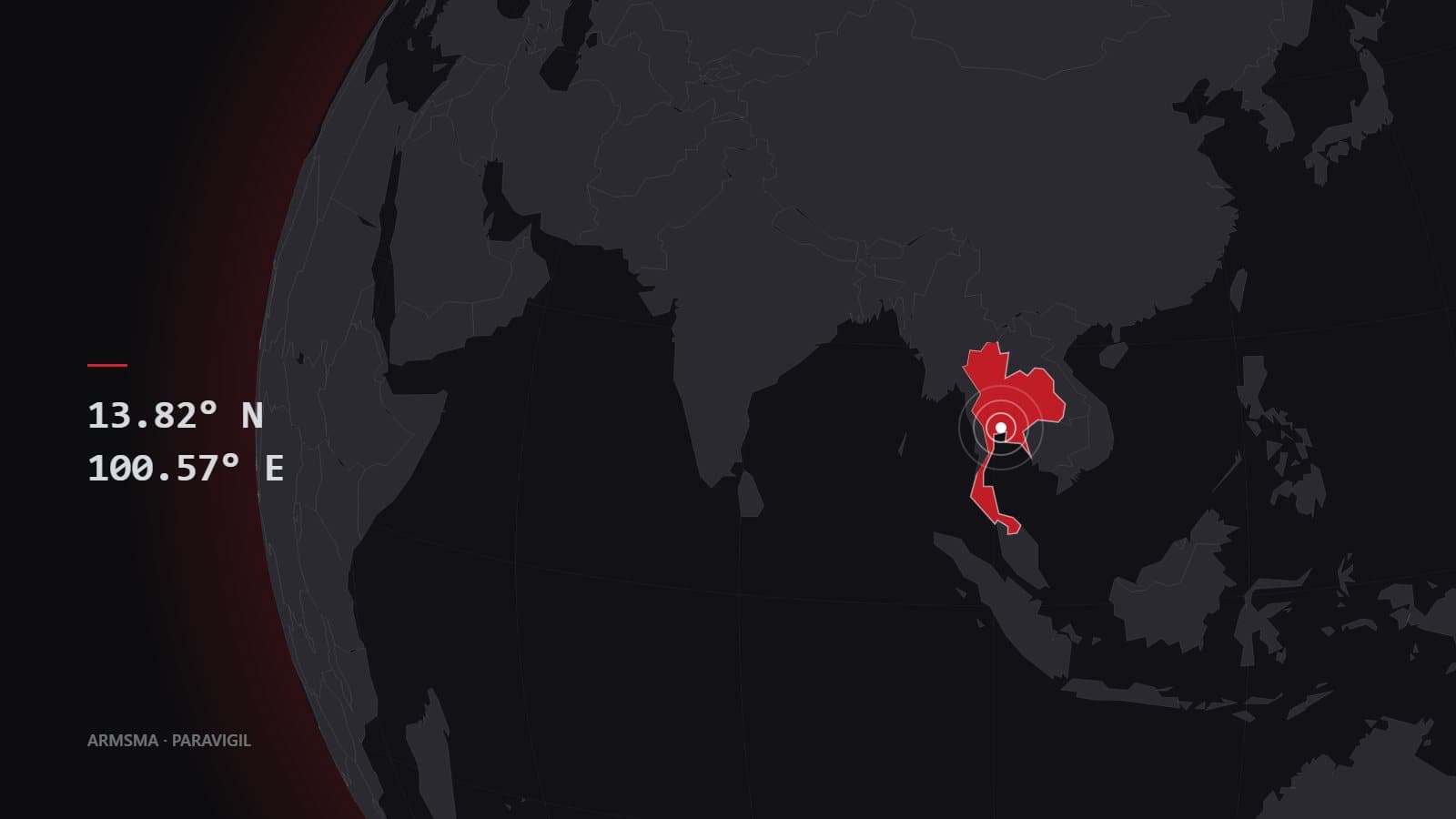
Shortly before midnight on Sunday, 12 July 2026, a musician on stage at Rong Beer Na Ladprao, a beer hall in northern Bangkok, saw smoke coming from a circuit breaker near the stage. Then the power went out. An explosion followed, and thick smoke quickly filled the venue, according to Prime Minister Anutin Charnvirakul, as reported by the Associated Press.
Most of the dead were later found trapped in windowless bathrooms near a rear exit, where they may have sheltered from the flames, the national police chief said (AP). By 18 August the toll had reached 41, according to the Bangkok city government's Erawan Centre, cited by Thai PBS World.
The bar said on social media that it could hold about 600 people. It sat outside Bangkok's designated entertainment zones and was registered as a restaurant with live music, officials said. Under Thai law, that meant the strict fire rules written after a deadly 2009 nightclub fire did not apply to it (AP).
Why did so many people die?
Bangkok's governor, Chadchart Sittipunt, said most of the deaths were caused by smoke inhalation (AP). A fire-protection specialist from the Engineering Institute of Thailand, Juladit Chayaniyayodhin, told The New York Times he was alarmed by cheap soundproofing foam and plastic decorations hung from the ceiling. "Both the foam and the plastic are highly flammable and can cause very toxic fumes," he said.
Investigators were focusing on the ceiling above the stage, where decorative materials were found. They were also examining whether flammable materials had been used and how the wiring was installed (AP).
Could people get out?
For many, the exits did not work as exits. The rear exit near the bathrooms had not been used, the police chief said. A table selling sweets may have blocked it, or it may have been too dark to find. Shelving and lockers may have narrowed a second exit near the kitchen, and there were signs that some exit doors may have been locked (AP).
Juladit's team saw three exit signs but no emergency lights once the power failed, The New York Times reported. About 25 front windows were broken, all but one, as people smashed them with beer bottles to escape. Emergency workers estimated that about 200 people were inside.
How did the toll rise from 27 to 41?
The first count from the Erawan emergency service was 27 dead and 73 injured, 25 of them critically (AP). By Monday evening the city government's toll was 28. Officials called it the capital's deadliest fire in 17 years.
By 16 July at least 33 people had died, and 27 were still in hospital (AP). More of the injured died over the following weeks. On 18 August two more deaths, at Rajavithi and Taksin hospitals, brought the toll to 41, with 10 people still in hospital, four of them in intensive care (Thai PBS World).
What loophole did the fire expose?
Thailand's Entertainment Place Act dates from 1966. It was updated in 2012, three years after the fire at Bangkok's Santika nightclub on 1 January 2009, which killed 67 people and injured more than 200. The revised standards require fire-resistant or non-flammable interiors, smoke ventilation, sprinklers and escape routes sized for the number of customers (AP).
But those rules apply only to licensed venues inside designated entertainment zones, of which Bangkok has three. Opposition lawmaker Paramait Vithayaruksun of the People's Party told Parliament that venues outside the zones cannot obtain proper licences even if they meet safety standards. Many operators therefore register as restaurants that sell alcohol and host live music, which face lighter safety rules. Restaurants, he said, can install cheaper soundproofing foam (AP).
Amorn Pimanmas, president of the Thailand Structural Engineers Association, said overcrowding, combustible materials and obstructed exits were possible causes. He said the tragedy could have been prevented "if proper engineering principles and all relevant laws and regulations had been strictly followed" (AP).
What we do not know
- The cause. The fire was still under investigation in the reports we used. The circuit breaker is one account, from a witness, relayed by the prime minister.
- How many were inside. Emergency workers estimated about 200. The bar's advertised capacity was about 600.
- Whether the doors were locked. Police said only that there were signs some may have been.
- Responsibility. The bar said it was cooperating fully with investigators. Its owner was seriously injured, and police said he would be questioned once doctors allowed it (AP, The New York Times). None of our sources reports charges.
What to watch
Prime Minister Anutin acknowledged the shortcomings and said the law should be reviewed. "Times have changed. I've asked officials to study how we should adjust the rules," he said (AP). A former president of the Building Inspectors Association, Wasawat Kitsiriteeraphak, urged inspections based on how a building is actually used, not its licence category. The test is whether the next music bar registered as a restaurant is inspected as what it really is.
Sources
- AP via KUOW/NPR: Investigators probe a fire at a music bar in Bangkok that killed at least 27 people (12–13 July 2026)
- The New York Times via West Hawaii Today: Inaccessible exits and flammable foam made Bangkok bar fire deadly (14 July 2026)
- AP via NY1: Deadly Bangkok bar fire exposes Thailand's safety loopholes for nightlife venues (16 July 2026)
- Thai PBS World: Ladprao pub fire death toll jumps to 41 (18 August 2026)
Comments (0)
Sign in to join the discussion.
- No comments yet — be the first.