
A winter storm cuts the power for hours: is your Swiss household ready?
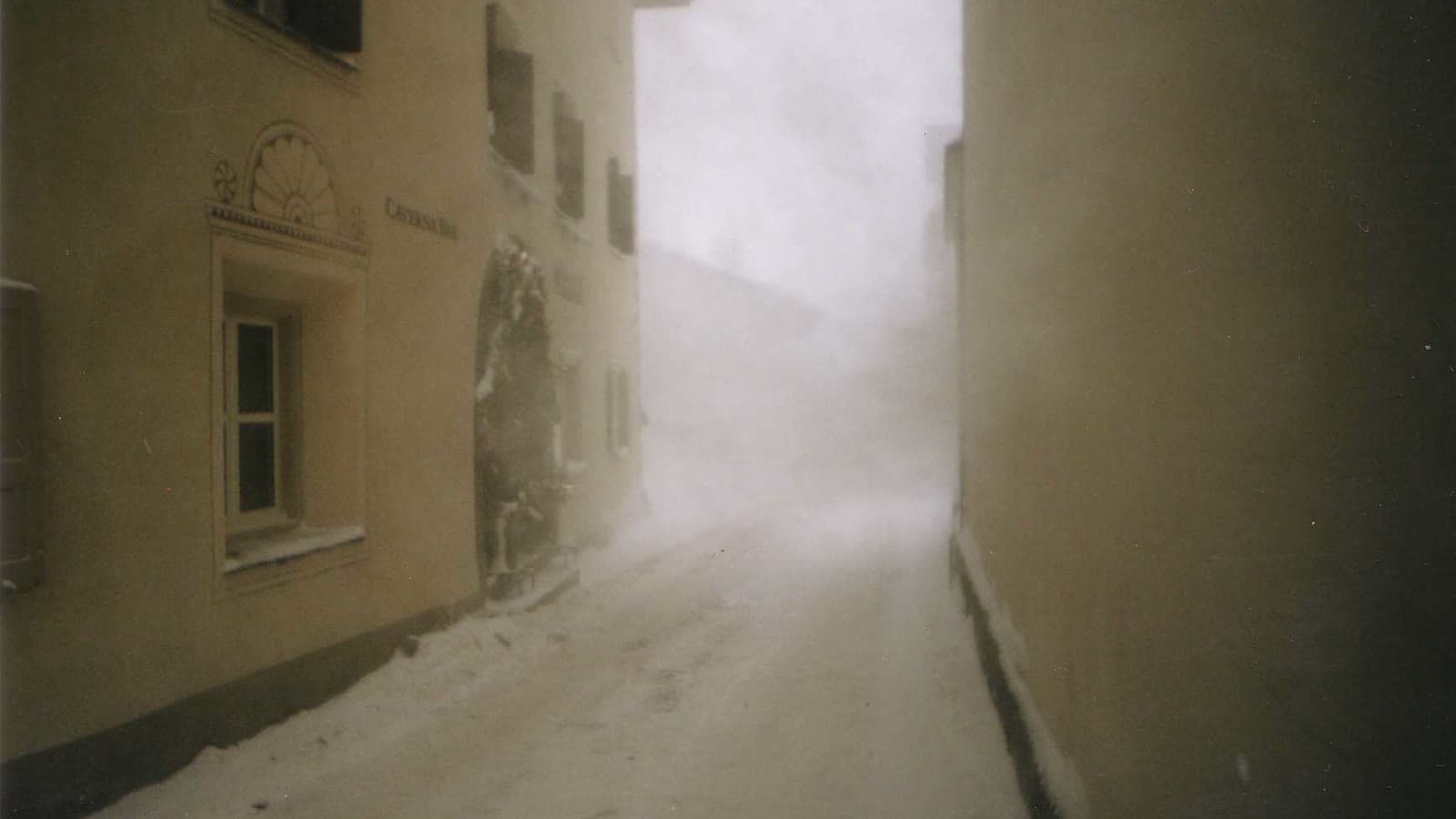
The Swiss federal Alertswiss hazard pages say that heavy snow can damage overhead lines and cut power and communications, that large storms occur mainly in winter, and that a cold wave can restrict the power supply. After an outage, they say, restoring supply can take hours to days. This guide is for a household in Switzerland. For carbon monoxide we use Swiss guidance from Tox Info Suisse. We label the German federal material as German guidance.
What can a winter storm or cold snap do to your home?
According to Alertswiss, in a power outage heating, lighting and electronics fail, the water supply may partly collapse, toilets may stop flushing, and communication can fail. Card payments and cash machines stop working.
In a storm, rail lines and roads may be blocked and you may be unable to leave your building for several hours. In a long cold wave, frozen pipes can disrupt the water supply.
What should you have at home?
The Alertswiss emergency plan asks whether you can manage for several days without outside help. Its list:
- At least 9 litres of water per person (3-4 days), and food for about one week.
- A battery-run radio that receives DAB+ and VHF. The plan notes that all DAB+ radios approved for sale in Switzerland can receive VHF.
- Torches (hand crank), spare batteries, candles, matches or a lighter.
- A camping or gas cooker, and some cash.
It also advises food you can eat without cooking, storage in a cool, dry place away from sunlight, and using supplies in your daily cooking so they are replaced regularly.
How do you keep warm without carbon monoxide?
Tox Info Suisse warns about carbon monoxide from indoor barbecues. Carbon monoxide has no smell. Early symptoms resemble a cold: headache, nausea and dizziness. Dangerous levels can build up even with windows or doors open. Opening a window does not make burning charcoal indoors safe.
Its prevention advice says to check fossil-fuel heating regularly and to ventilate well when you use an open fire.
Use a camping or gas cooker only for cooking, never for heating, and never in a closed room (Tox Info Suisse).
The next two paragraphs are German guidance. The German federal office BBK, in its power-outage guidance, suggests living in one room with the doors closed and ventilating regularly. It says gas heaters need oxygen-deficiency and ignition safety devices, that a carbon monoxide detector adds safety, and that you should never grill indoors.
The German Federal Institute for Risk Assessment explains why. Carbon monoxide is colourless and odourless, and smoke detectors do not sense it. It forms when wood, coal, oil or gas burn incompletely. Emergency generators, gas heaters and charcoal or gas barbecues used indoors are frequent causes. Early symptoms are headache, dizziness, nausea and shortness of breath. For Germany the institute counts several thousand poisonings a year, including several hundred deaths.
If you suspect carbon monoxide poisoning, leave the room at once and get fresh air. Do not put yourself at risk when you help others. Go to hospital right away. Call 144 if the symptoms are clear. For free advice, call 145, 24 hours a day (Tox Info Suisse). In Switzerland BAKOM lists 112 (European emergency number), 117 (police), 118 (fire), 144 (medical emergencies) and 145 (poisons hotline) as free of charge. Tox Info Suisse tells you to call 144 if someone is unconscious or not breathing.
What do you do when the lights go out?
- Switch off mains-powered devices. When power returns, switch them on one at a time, because the grid can be overloaded (Alertswiss).
- Turn on your battery radio.
- Limit phone calls and travel to what is essential, and call emergency services only in a real emergency.
- Drive carefully where traffic lights are out, and help neighbours who need it.
Where do official warnings come from?
The Alertswiss guidance says that after a general alarm you should tune in to the radio, check Alertswiss, follow the authorities' instructions and inform your neighbours. All sirens are tested every year on the first Wednesday in February. Alerts are also pushed to the Alertswiss app.
BABS says urgent warnings and all alarms with behaviour instructions are read on radio as mandatory messages and also published on the Alertswiss website and app. The radio is largely independent of internet and mobile networks.
For weather, a MeteoSwiss report describes warnings with a level from 1 to 5, level 5 being the highest, sent through the MeteoSwiss app, its website and the natural hazards portal.
What we do not know
As of 1 November 2026 we could not read the current MeteoSwiss warning thresholds, because its pages did not load as text, and the MeteoSwiss report is older and may not list today's channels. The BBK and BfR advice above is German guidance, not Swiss. The BABS radio page also notes that several emergency-radio components are reaching the end of their service life.
The rule to remember: water, a battery radio, light and one warm room that you ventilate. Never bring a grill or generator indoors.
Related articles
Comments (0)
Sign in to join the discussion.
- No comments yet. Be the first.