
Two collapses, two tolls of 200 — who counts the dead at Congo's Rubaya coltan mine?
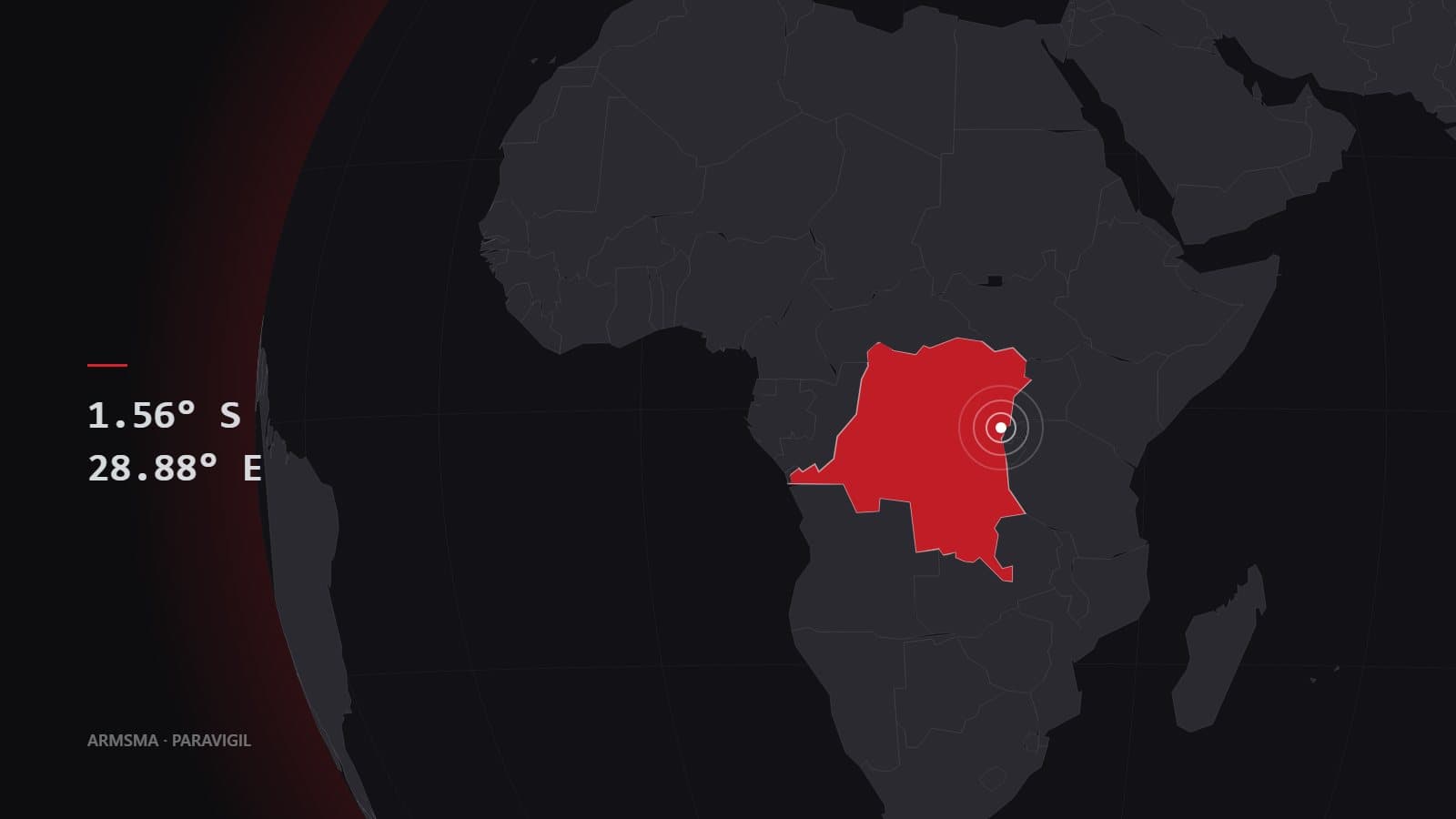
"We are in the rainy season. The ground is fragile." That was how Lumumba Kambere Muyisa, spokesperson for the rebel-appointed governor of North Kivu, explained to Reuters why the earth gave way at the Rubaya coltan mine in eastern DR Congo on a Wednesday at the end of January 2026. The ground collapsed, he said, while the victims were in the hole.
He put the death toll at more than 200: miners, children and market women, according to Reuters and AFP reporting carried by the Qatar Tribune.
About five weeks later, Congo's Ministry of Mines announced that another collapse at Rubaya had killed at least 200 people. This time the rebels who hold the mine said almost no one had died.
Rubaya matters far beyond North Kivu. It produces about 15% of the world's coltan, the ore refined into tantalum for phones, computers, aerospace parts and gas turbines. Who controls it, and who is allowed to count its dead, is part of a war over minerals.
What happened in January?
The mine lies about 60 km northwest of Goma. Local workers dig it by hand for a few dollars a day, and it has been under the control of the AFC/M23 rebel group since 2024, Reuters reported.
Beyond the "more than 200" given by the spokesperson, an adviser to the governor, speaking anonymously, said at least 227 deaths had been confirmed. About 20 injured people were being treated in health facilities; some had been pulled out just in time but were seriously hurt.
Eraston Bahati Musanga, the M23-appointed governor, told AFP that "some bodies have been recovered". An artisanal miner, Franck Bolingo, told AFP that people were believed to still be trapped — some buried alive, others stuck in the shafts.
What happened in March — and why is the toll disputed?
According to the Associated Press, the second collapse happened on a Tuesday, and Congo's Ministry of Mines said in a statement the following day that at least 200 people had died. The AP report was published on 5 March 2026.
An M23 official, Fanny Kaj, rejected both the cause and the number: "There was no landslide; there were bombings, and the death toll isn't what people are saying." She said "about five people" had died.
A miner, Ibrahim Taluseke, told the AP he had helped recover more than 200 bodies. He said mine owners do not accept that the exact death toll be revealed.
So the same event now carries two official accounts from two rival authorities: the government in Kinshasa, which does not control the site, and the rebels, who do.
Why does a mine in North Kivu matter to the rest of the world?
Congo produced about 40% of the world's coltan in 2023, according to the U.S. Geological Survey figures cited by the AP. Australia, Canada and Brazil are other major suppliers. The AP describes Rubaya as supplying over 15% of the world's tantalum.
M23 seized Rubaya in May 2024. A U.N. report says the rebels tax the coltan trade and transport, generating at least $800,000 a month. The U.N. accuses M23 of plundering Rubaya to fund its insurgency; Rwanda, which is accused of backing the group, denies this.
The wider toll is larger still. More than 7 million people have been displaced in eastern Congo, the AP reported, including over 300,000 who fled since December. A U.S.-brokered peace deal between Congo and Rwanda was signed in June, but fighting continues on several fronts.
What we do not know
- The exact dates. The sources give weekdays — a Wednesday in late January, a Tuesday in early March — rather than precise dates.
- The real number of dead. For January, figures range from "more than 200" to "at least 227", both from the rebel-appointed administration. For March, the ministry says at least 200; M23 says about five. No independent count has been published in the sources we opened.
- The cause of the March collapse. The government and the miner describe a collapse; M23 says there were "bombings". Neither claim has been independently verified.
- How many people were underground at either moment. Hand-dug artisanal sites keep no reliable registers.
What to watch next
Rubaya sits at the centre of the Congo–Rwanda peace process, which also opens access to critical minerals for the U.S. government and American companies, according to the AP. Whether any authority can inspect the mine, register its workers and count its dead will say a great deal about whether that deal changes anything for the people who dig.
Sources
- Qatar Tribune, citing Reuters and AFP: More than 200 killed in mine collapse in eastern DR Congo
- Ada Derana, citing Reuters: More than 200 killed in coltan mine collapse in east Congo, official says (31 January 2026)
- The Korea Times, citing AP: At least 200 dead in Congo coltan mine collapse, authorities say, as rebels dispute toll (5 March 2026)
Related articles
Comments (0)
Sign in to join the discussion.
- No comments yet — be the first.