
A warning letter, then a massacre: why did Woro's refusal cost about 170 lives?
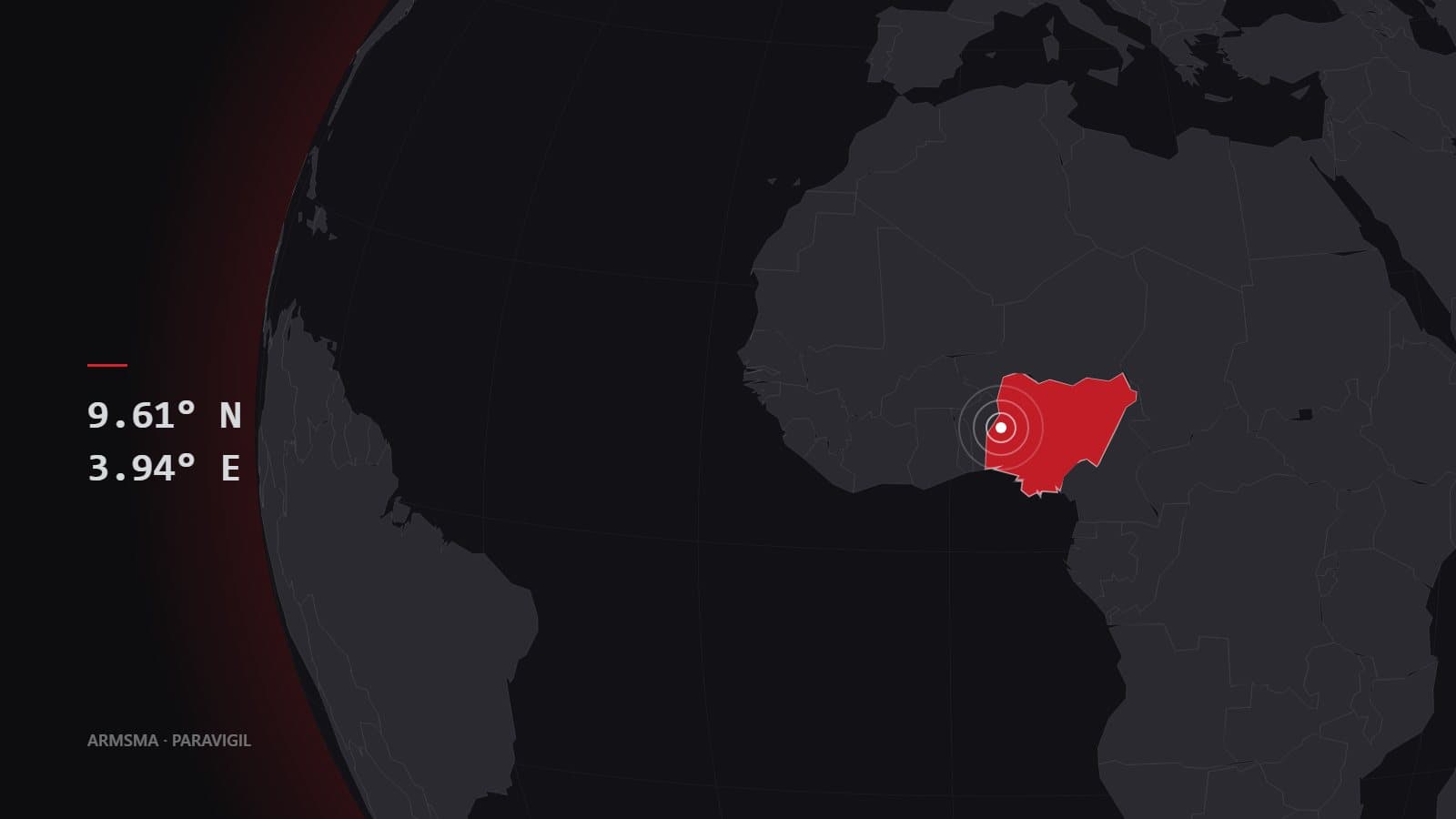
About five months before the attack, a letter reached the district head of Woro, a village in Kaiama in Nigeria's Kwara State. The group that sent it said it would come to preach its ideology, Premium Times reported. The district head, Salihu Umar, alerted the emirate council; soldiers were posted, and the visit did not happen.
Then, on Tuesday, 3 February 2026, the gunmen came. Residents said the main assault began around 5 p.m. and went on for hours, until the attackers left early on Wednesday. Residents told Reuters the men had earlier preached in the village, urging people to reject the Nigerian state and adopt strict Sharia law. When the villagers refused, the attackers opened fire.
Why does this attack stand out?
The presidency described it as the deadliest attack recorded in Kwara this year, according to Reuters. It hit a state outside Nigeria's long-running conflict zones in the north-east and north-west — and the victims were Muslims who, in President Bola Tinubu's words, refused to be “conscripted into a weird belief that promoted violence over peace and dialogue”.
Security analysts quoted by Reuters say jihadist factions appear to be moving south along the Niger–Kwara axis towards the Kainji forest, feared to be their next stronghold.
How many people were killed?
The figures do not agree, and each comes from a different source:
- At least 170 — Reuters, which did not name the source of the figure.
- 162 — the Kwara secretary of the Nigerian Red Cross, Babaomo Ayodeji, who said the toll “stands at 162, as the search for more bodies continues”, Africanews reported.
- 75 — the Kwara state government; the governor's spokesman said the Emir of Kaiama had confirmed 75 dead.
- 35–40 — the first count by local lawmaker Sa'idu Baba Ahmed, who said more bodies were expected because wounded people had fled into the bush.
The Red Cross said it had not yet been able to reach the communities, which lie about eight hours from the state capital near the border with Benin, DW reported. Ahmed said about 38 houses were destroyed. Gunmen also set shops and the traditional ruler's palace on fire.
Who carried it out?
No group claimed responsibility. The names given differ by who is speaking:
- Tinubu blamed Boko Haram jihadists, according to Africanews.
- Premium Times identified the attackers as Boko Haram fighters under the command of a man known as Mallam Sadiku. It reported that his group moved into the Kainji forest reserve in July 2025, and linked it to the abduction of more than 300 students and staff from a Catholic school at Papiri about four months later.
- The local MP, Mohammed Omar Bio, told AP the attackers were Lakurawa, a group affiliated with the Islamic State, DW reported.
- Reuters noted that Kwara has become a hotspot for armed groups including the Islamic State West Africa Province.
Locals told Premium Times they suspected the attack was retaliation for the military presence the warning letter had brought.
How did the state respond?
Tinubu called it a “cowardly and beastly attack” and ordered an army battalion to the area. A new military command was to lead an operation called “Operation Savannah Shield”, Premium Times reported. Police said tactical teams, soldiers, forest guards and vigilantes had been deployed and that the attackers reportedly fled towards the forest of Kainji National Park.
On 15 February a video circulated in which armed men said: “We have 176 persons in our custody, contrary to the claims and propaganda of the Kwara State government,” News Central reported. The state government had earlier spoken of 30 abducted and said it was analysing the video. In March, security forces arrested three suspects in Kaiama who, an aide to the governor said, had come “under the guise of buying a motorcycle” and were cooperating with investigators, News Central reported.
What we do not know
- The final death toll. No figure has been independently verified; the sources we opened range from 75 to more than 170.
- Which group was responsible. Boko Haram, Lakurawa and the wider Islamic State network have all been named.
- How many people remain in captivity, and whether any of those shown in the video have been freed. The sources we opened, the latest dated 20 March 2026, report no confirmed rescue of that group.
What to watch
Whether the three suspects are charged, and whether the captives return, will show how far the new operation reaches. The larger question is the one the analysts raise: whether the Kainji forest becomes a base from which more villages like Woro are given the same choice.
Sources
- Reuters via The Citizen: 170 killed as suspected jihadists attack village in Nigeria (6 February 2026)
- DW via AllAfrica: Nigeria: Extremists kill over 100 in western villages (5 February 2026)
- Africanews: Kwara state massacre survivors terrorised, death toll at 162 (5 February 2026)
- Premium Times via AllAfrica: Tinubu orders deployment of army battalion to Kwara (5 February 2026)
- News Central: Militants parade 176 abductees in Kwara attack (15 February 2026)
- News Central: Woro attack — three suspects in custody (20 March 2026)
Related articles
Comments (0)
Sign in to join the discussion.
- No comments yet — be the first.