
A guarded gate, a Friday prayer and a rising toll: what the Islamabad mosque bombing revealed
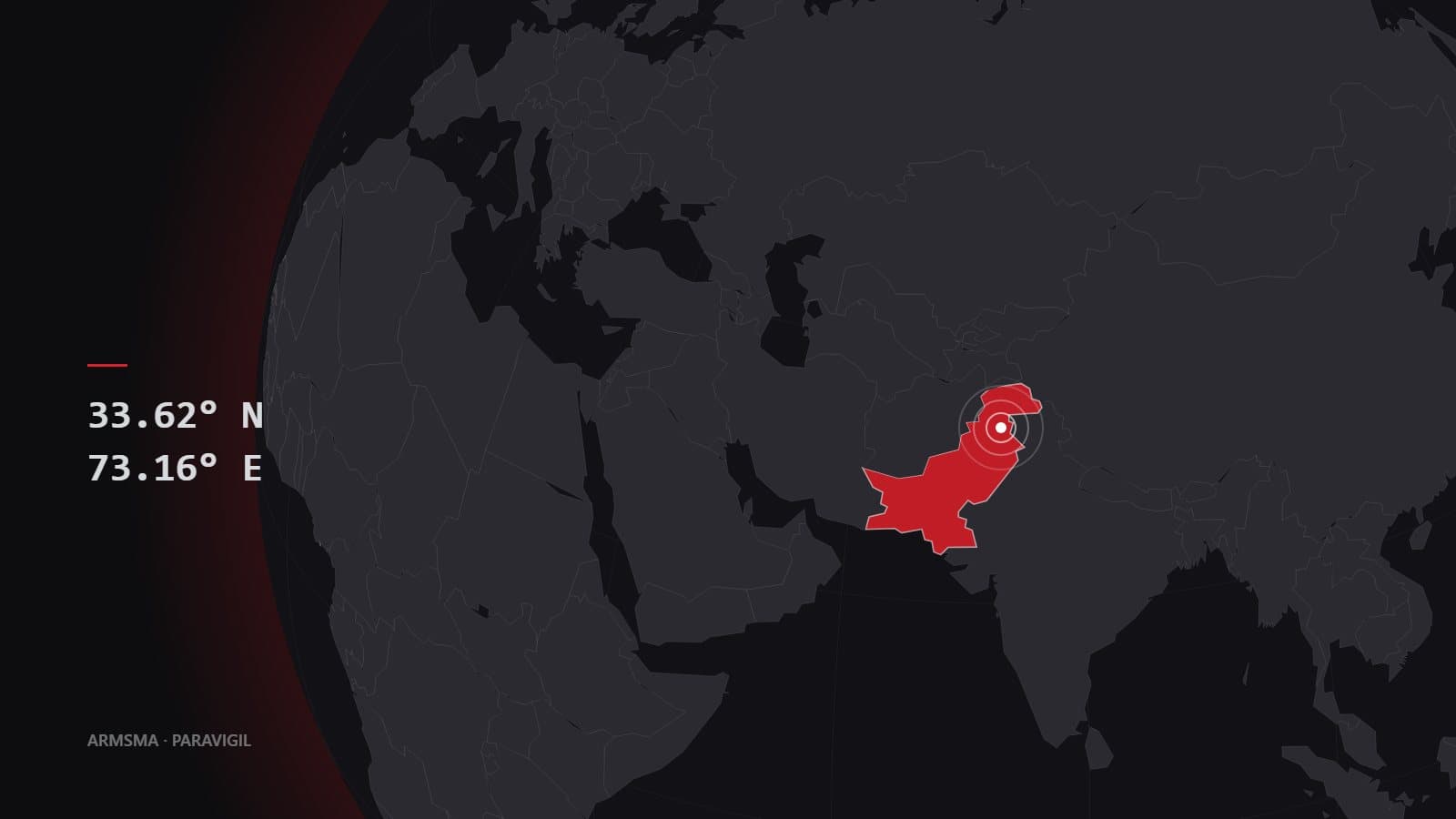
Aun Abbas was weeks away from his wedding. On Friday, 6 February 2026, he was standing near a rear gate of the Khadijat-ul-Kubra imambargah, a Shia mosque in the Tarlai area of Islamabad, when an attacker tried to force his way in, firing shots during prayers. His brother said Aun grabbed him. "At that moment, the bomber detonated himself," he told Gulf News. The sehra, the groom's traditional headpiece, was placed on his grave.
At least 31 people were killed that day, Islamabad's deputy commissioner, Irfan Memon, said, and 169 were wounded, The New Arab reported. Over the next three days six more victims died of their injuries, bringing the toll to 37, according to Islamabad police cited by The News.
Bombings are rare in Pakistan's heavily guarded capital. This one was its deadliest in years, and it struck a minority that has been targeted before. That is why it matters beyond the city: it tested how well Pakistan can protect its places of worship.
What happened at the gate?
Accounts agree that the attack began at the entrance. Defence Minister Khawaja Asif said security guards tried to stop the suspect, who opened fire on them before detonating his explosives among worshippers, Al Jazeera reported. Two police officials who asked not to be named told The New Arab the attacker was stopped at the gate and set off the bomb there.
Not every detail matches. An eyewitness, Aun Shah, told Radio Free Europe/Radio Liberty that two attackers first shot dead the mosque's guards and that some worshippers tried to stop them. Authorities described a single man.
Inside, images showed bodies on the carpeted prayer floor amid broken glass and debris, while dozens of wounded lay in the mosque gardens calling for help, The New Arab reported. At the Pakistan Institute of Medical Sciences, AFP journalists saw adults and children arriving on stretchers; at least one casualty arrived in the boot of a car, according to Al Jazeera. Aun Shah said of his badly injured father: "He has a hole in his stomach."
Who was behind it?
The Islamic State group claimed responsibility on its Telegram channel on the evening of the attack, posting an image of the attacker holding a gun, his face covered, Reuters reported, as cited by Al Jazeera. The conflict monitor ACLED said the attack bore the "hallmarks of the Islamic State", according to RFE/RL.
On 7 February Interior Minister Mohsin Naqvi announced that four people, including the suspected mastermind, had been arrested in raids in Peshawar and Nowshera, RFE/RL reported. Naqvi said the mastermind was an Afghan national linked to Daesh, according to Gulf News. The paper identified the bomber as Yasir, 32, a Peshawar resident who had reportedly lived in Afghanistan for five months and received weapons and suicide-bombing training there.
Asif alleged that the attacker had been travelling to and from Afghanistan and said militants operating from there could strike even in the capital. The Taliban government rejected the allegation, Gulf News reported.
Why were worshippers so exposed?
Shias are a minority in Sunni-majority Pakistan, a country of 241 million, and have been targeted in past sectarian violence, including by Tehreek-e-Taliban Pakistan, which considers them heretics, The New Arab noted. An IS affiliate has been blamed for earlier attacks on the Shia minority, according to Al Jazeera.
Raja Abbas Nasir, a Shia leader, called the bombing "a serious failure in protecting human lives" and questioned the authorities and law enforcement, Al Jazeera reported. Naqvi defended the security forces: "If one blast happens, 99 others are being foiled as well," he said, according to Gulf News.
The capital had been hit only months earlier. In November 2025 a suicide bomber killed at least 12 people at the entrance of the Islamabad District Judicial Complex. The 2008 truck bombing of the Marriott Hotel killed at least 63, Al Jazeera reported.
After the attack, security was significantly increased at religious sites in the city, and funerals were held under tight security, The News reported. More than 2,000 people attended funeral prayers on the Saturday, according to Gulf News.
What we do not know
- The final death toll. Figures rose from at least 31 on the day (Islamabad administration) to 32 (RFE/RL), 33 (Interior Minister Naqvi, via Gulf News) and 37 (Islamabad police, via The News, 10 February). We have not seen an official final figure.
- How many attackers. Officials described one; an eyewitness quoted by RFE/RL spoke of two.
- The full chain of responsibility. IS claimed the attack. The New Arab's same-day report mentioned no claim, and in describing past attacks on Shias it pointed to the Pakistani Taliban. Pakistan's allegations about Afghanistan were rejected by the Taliban government. The arrested suspects have not been publicly named, and we have seen no court outcome.
What to watch
UN Secretary-General António Guterres said: "Those responsible must be identified & brought to justice," RFE/RL reported. Whether the four arrests lead to charges and a public trial will be one test. Another is whether the stepped-up protection at mosques and imambargahs in Islamabad lasts beyond the weeks of mourning — and whether the dispute with Kabul over where the attack was planned turns into cooperation or into further tension.
Sources
- Al Jazeera — At least 31 killed, dozens wounded in suicide blast at Islamabad mosque (6 February 2026)
- The New Arab — Suicide bomber kills 31 in Shia mosque in Pakistan's capital (6 February 2026)
- Gulf News — Groom-to-be killed trying to stop suicide bomber at Islamabad imambargah (8 February 2026)
- RFE/RL — report on arrests and funerals after the Islamabad mosque attack (8 February 2026)
- The News — Imambargah blast death toll rises to 37 (10 February 2026)
Related articles
Comments (0)
Sign in to join the discussion.
- No comments yet — be the first.