
No licensed vaccine, no specific treatment: how Ebola Bundibugyo in DR Congo went from 8 confirmed cases to 8,728
Four health workers at one hospital in Mongbwalu died within four days. WHO linked their deaths to breaches in infection control, in its first report on the outbreak, on 16 May 2026.
At that point the Democratic Republic of the Congo (DRC) had 246 suspected cases and 80 deaths, as of 15 May. Only 8 cases had been confirmed by PCR. WHO noted a gap of about four weeks between symptom onset and laboratory confirmation.
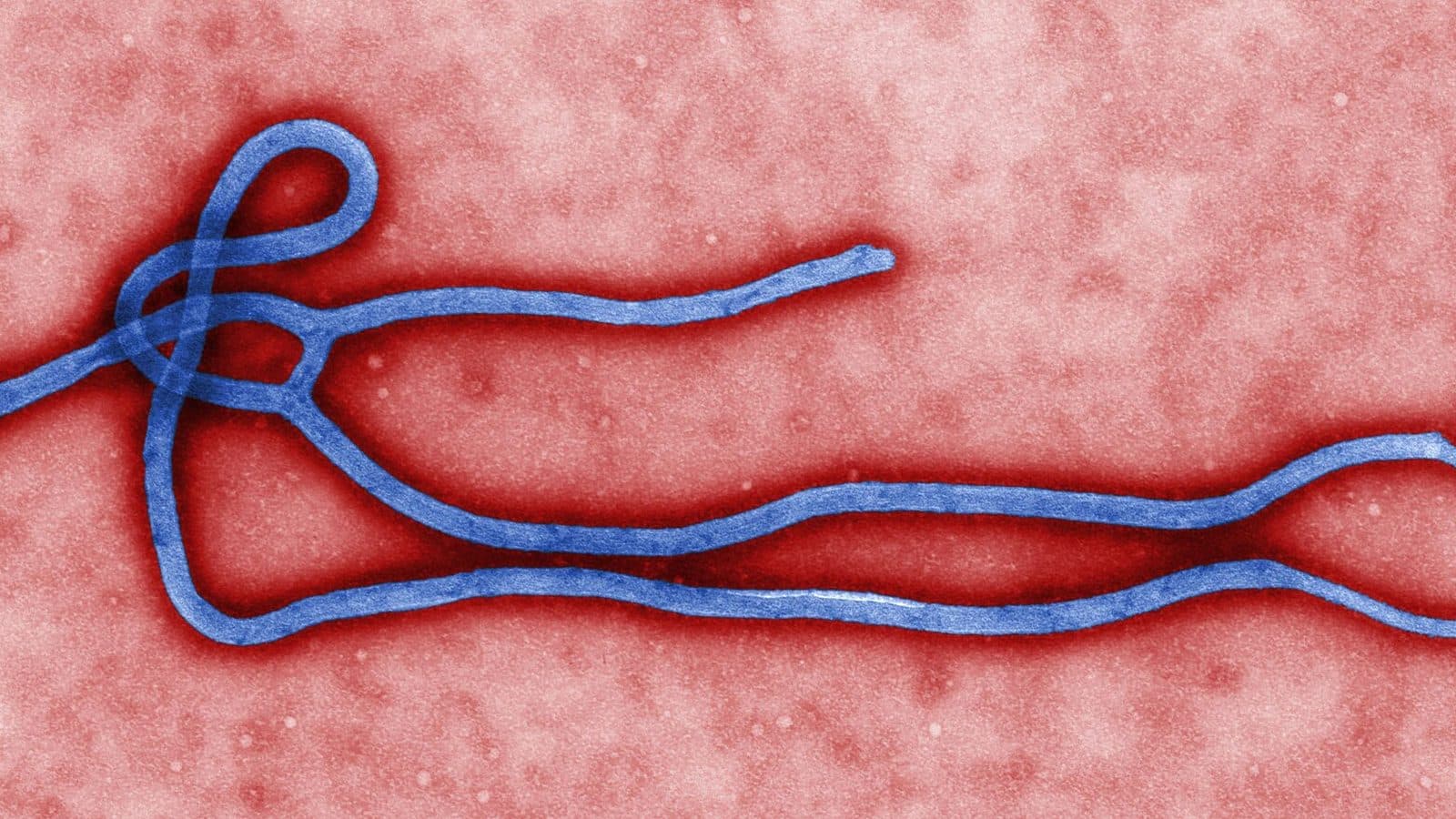
By 6 October the confirmed count was 8,728. The virus behind it, Bundibugyo, has no licensed vaccine and no specific therapeutic, WHO states, unlike Ebola virus disease. This summary uses only WHO Disease Outbreak News (DON) reports, the latest dated 8 October 2026. Figures are confirmed cases unless stated, and they will have changed since. It is not medical advice.
How did it begin?
The 16 May report described Ebola disease caused by Bundibugyo virus in the DRC and in Uganda, which had two imported confirmed cases.
The next day, 17 May 2026, the WHO Director-General determined that the outbreak was a Public Health Emergency of International Concern.
With about four weeks between symptoms and confirmation, the early confirmed counts could only trail the outbreak. The summer reports show how much it grew.
How fast did it grow?
By the report of 14 August (data as of 12 August), the DRC had 4,665 confirmed cases and 2,184 deaths. WHO called it the largest Ebola outbreak ever reported in the country. At least 155 health workers had been infected by 9 August.
Four weeks later, the report of 10 September (data as of 7 September) gave 6,757 confirmed cases and 3,267 deaths in 61 health zones.
That report also described the tools being tried without a licensed option:
- The vaccine Ervebo, which is not approved for this virus, was being used only within a research protocol. 2,007 people had been vaccinated by 6 September.
- A treatment trial had enrolled over 300 confirmed cases in Ituri.
Where does the outbreak stand now?
The report of 8 October (data as of 6 October) gives the DRC 8,728 confirmed cases, 4,205 confirmed deaths and 2,269 recoveries. That is a crude case fatality ratio of 48.2%.
Cases are in 64 health zones across 7 of the country's 26 provinces.
- Ituri, the epicentre: 6,480 cases and 2,989 deaths.
- North Kivu: 1,755 cases and 1,013 deaths, and the highest provincial fatality ratio, 57.7%.
Since its 25 September update, WHO added 775 confirmed cases and 379 deaths. Weekly new cases rose slightly, from 475 to 487. Weekly deaths were roughly steady, 224 against 222.
Where people die says something too. Of 372 deaths reported since the last update, 264 occurred in communities and 108 in treatment centres.
Contact follow-up reached 80.4% of contacts in the latest period, below the 85% target.
Has it crossed borders?
Yes. On 6 October Kenya reported its first imported case: a man who had travelled from the DRC through Uganda and who died on 5 October. Contact tracing is under way.
Earlier reports counted 20 cases and 2 deaths in Uganda and one case in France. The October report adds that a health worker who tested positive in the DRC was evacuated to the Netherlands on 1 October.
How does WHO rate the risk?
In the latest report WHO describes its August risk assessment:
- Very high in the DRC.
- High for countries sharing a land border with it.
- Low for the rest of Africa and globally.
An assessment for Kenya is pending. WHO advises against travel or trade restrictions on affected countries.
What we do not know
- The true toll. Confirmed counts depend on testing capacity, and insecurity limits surveillance, so the real figures may differ.
- The final fatality ratio. The 48.2% is crude and will shift as outcomes are recorded.
- A current risk picture. We have not found a newer risk assessment than the August one, and the one for Kenya is still pending.
What to watch
Three numbers in WHO's next report: whether weekly cases keep rising, whether contact follow-up reaches the 85% target, and whether WHO publishes its risk assessment for Kenya. Check WHO for the current report.
Sources
- WHO Disease Outbreak News: Ebola disease caused by Bundibugyo virus, DRC and Uganda (16 May 2026)
- WHO Disease Outbreak News: Ebola disease caused by Bundibugyo virus, DRC (14 August 2026)
- WHO Disease Outbreak News: Ebola disease caused by Bundibugyo virus, DRC (10 September 2026)
- WHO Disease Outbreak News: Ebola disease caused by Bundibugyo virus, DRC (8 October 2026)
Comments (0)
Sign in to join the discussion.
- No comments yet — be the first.