Nightclub Fire in Switzerland: A Tragedy That Raises Broader Questions
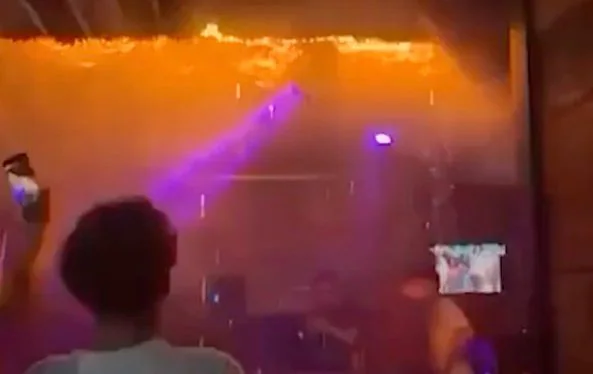
What began as a New Year’s Eve celebration in the Swiss Alps ended in one of the deadliest civilian tragedies the country has seen in recent years. In the early hours of January 1, a fire broke out at Le Constellation, a popular bar and nightclub in the ski resort of Crans-Montana, claiming the lives of dozens of people and injuring many more.
The incident occurred shortly after 1:30 a.m., when the venue was crowded with partygoers celebrating the start of the new year. Emergency services later confirmed that approximately 40 people were killed and more than 100 were injured, several of them critically, with burns and smoke inhalation. Rescue operations continued for hours in difficult conditions, as thick smoke filled the lower levels of the building.
Authorities have indicated that many of those inside the club were young, with reports suggesting a large proportion of victims were teenagers and young adults, some in their mid-teens. The resort’s international profile means the casualties include both Swiss nationals and foreign visitors. Officials from neighbouring countries have confirmed that among the dead and injured were tourists, including at least one 16-year-old, underscoring the scale and cross-border impact of the tragedy.
The cause of the fire has not yet been determined. Investigators are examining several possible scenarios related to how the blaze may have started and how it spread so rapidly through the venue. Swiss authorities have stressed that the investigation is ongoing and that no conclusions should be drawn until forensic and technical analyses are completed.
Witnesses described a sudden escalation inside the club. Flames and smoke reportedly spread quickly through the confined space, causing confusion as people attempted to escape. In such environments, visibility is limited, exits can become difficult to locate, and panic can spread faster than the fire itself. Emergency responders faced the challenge of evacuating and treating victims in a crowded resort area during one of the busiest nights of the year.
While the investigation focuses on the specific circumstances of the fire, the incident has inevitably drawn attention to broader issues surrounding safety at large indoor events. Nightclubs present particular risks: high occupancy, loud music, low lighting, and, often, delayed recognition of danger. Fire safety experts have long noted that in such settings, the first moments after a fire starts are critical, and even brief delays can significantly affect outcomes.
Human behaviour also plays a role. In emergency situations, people do not always immediately grasp the severity of what is happening. Some hesitate, some attempt to help friends, and others lose precious seconds trying to understand the situation or document it. Specialists consistently warn that rapid, decisive action is essential in smoke-filled environments, where conditions can deteriorate in seconds.
For members of the public attending crowded indoor venues, basic safety guidance remains universal. At the first sign of fire or smoke, immediate evacuation toward the nearest emergency exit is advised, without returning for personal belongings. In heavy smoke, staying low to the ground can reduce exposure to toxic gases. Remaining calm, avoiding panic, and assisting others where possible can make a critical difference. If escape is not possible, isolating oneself from smoke and signaling for help are key measures until rescue services arrive.
The fire at Le Constellation is, above all, a human tragedy — one that has left families grieving and communities in shock. As Switzerland awaits the findings of the investigation, the event serves as a stark reminder that even in places known for high standards and organisation, moments of celebration can turn into disaster with devastating speed.